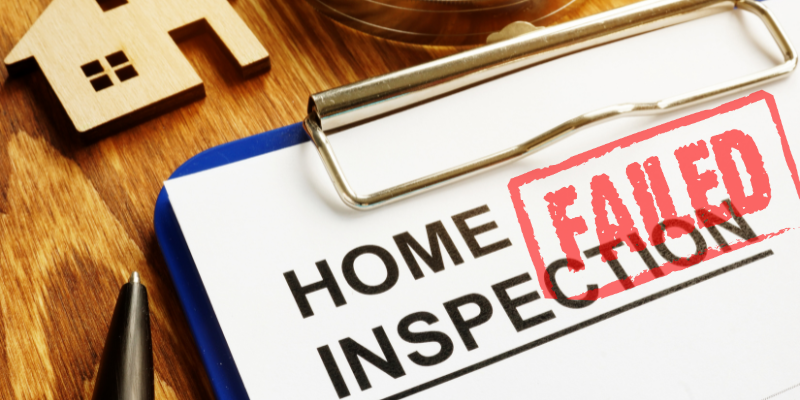
A failed home inspection can overwhelm any homeowner in North Carolina, but understanding your options is crucial for a successful sale. Strategic approaches can help a transaction go through after a failed inspection. This guide will help you sell properties that haven’t met inspection standards, empowering you to make decisions that maximize market appeal and value despite initial setbacks. Zack Buys Houses can guide you through the process with confidence and efficiency.
Brief Overview
Understanding the potential obstacles of a failed home inspection is critical to a successful home sale. Deals with major structural concerns or issues with the heating systems will need further negotiations. Sellers can state that the home is being sold ‘as-is,’ especially if costly home repairs are required. This appeals to cash buyers in North Carolina and the surrounding area. Knowing your legal obligations and being candid about the home will build buyers’ trust and sell the home quickly. With a little ingenuity and solid planning, a failed home inspection can be turned into an advantage.
Key Highlights
- Despite the challenges associated with selling a North Carolina home after a failed inspection, options may be available to you.
- During home inspections, problems are often revealed, which may prompt the buyer to renegotiate the price, address the identified issues, or withdraw from the contract entirely.
- North Carolina home sales require a mind shift from failure to improvement to lessen problems.
- As-is selling refers to selling the house in its present condition to an investor or cash buyer, with no minor or major repairs made.
- North Carolina’s real estate laws and property code will help comply with legal obligations while also simplifying the process.
Understanding Home Inspections in North Carolina
Whether you are buying or selling a house in North Carolina, home inspections are a must. Home inspectors look at the home’s systems, structure, and overall condition. Homeowners must understand the home inspection process, what it entails, and how it affects real estate transactions. Understanding whether it is possible to fail a home inspection and what that means is also crucial for making informed decisions. Understanding the nature of home inspections will help you navigate the housing market in North Carolina and help you avoid the unexpected in your home-selling journey.
What is a Home Inspection?
A certified North Carolina home inspector thoroughly inspects a property. Inspections include the foundation, roof, plumbing, and electrical systems. It informs buyers and sellers of the home’s condition, highlighting issues that could affect safety, livability, or value.
Home inspections are snapshots of the property at the time of examination, not warranties. Buyers may request repairs, credits, or price adjustments based on results. Getting the home ready and knowing what to expect from an inspection can help sellers sell faster. Buyers and sellers can better manage expectations, make decisions, and navigate real estate transactions by understanding inspections.
Can You Fail a Home Inspection?

In North Carolina, a home inspection does not consist of a pass-or-fail examination but instead entails a thorough examination of the property’s overall condition. Home inspectors provide a detailed breakdown of existing concerns, required maintenance, and safety risks, with no grade being issued. The notion of failing occurs as a result of the presence of serious issues that could jeopardize the safety and livability of a home, such as damage to the roof, electrical issues, or plumbing problems.
These types of findings do not result in deal termination and instead result in buyer negotiations, requests for repair, or adjustments to the pricing. Sellers can benefit from inspection results and view them as an educational tool. Knowledge of common issues that can be addressed ahead of time is required for the inspection. Inspection outcomes enable sellers to negotiate confidently and proceed with the process while minimizing time delays and stress.
Navigating a Failed Inspection
When it comes to the sale of your property in North Carolina, a failed inspection can result in unanticipated hurdles. These hurdles can come in the form of common inspection deal-breakers. Knowing the most common inspection deal-breakers and the necessary actions and strategies to mitigate their impact, sellers can arm themselves with the information needed to expedite the selling process. Sellers can hope to decrease the number of challenges they face and become even better prepared for them. Then, you can improve the property to lessen the impact of a negative inspection.
Common Inspection Dealbreakers
A North Carolina home inspection can reveal issues that could derail a sale if not addressed early. Safety and stability concerns make foundation damage one of the biggest dealbreakers. Electrical systems that are outdated or faulty may violate codes and pose a fire hazard. Leaks, aging pipes, and broken water heaters can raise concerns about a home’s habitability.
When inspections reveal leaks, missing shingles, or structural weaknesses, roof damage is another dealbreaker. Code violations like unpermitted work or noncompliant installations can be costly. While cosmetic issues may not deter a sale, worn fixtures or peeling paint can negatively impact buyer perception. Early detection and resolution of these issues reduces surprises and improves sellers’ chances of a successful transaction.
How to Handle Failing an Inspection
As a North Carolina homeowner who has had a failed inspection, start by reading the inspection report thoroughly, which will detail the issues at hand. Safety issues, such as electrical, plumbing, or structural concerns, should be addressed first. Additionally, obtaining estimates of the repairs that contractors can do. At this point in time, sellers should consider whether they are going to do the repairs or if they are going to sell the home “as-is” with full awareness of the legal disclosure requirements.
If you plan to sell the home “as-is,” full disclosure of all defects is required to ensure legal compliance and ethical responsibility. On the other hand, affordable and straightforward fixes like repainting and adding new plants can improve a property’s aesthetics. Buyers can be offered a variety of counterproposals to facilitate a negotiation, such as adjusting the price or giving a discount to be used for repairs. Overall, being fully informed and willing to act allows the seller to overcome the concerns of the inspection and achieve the goal of selling the home.
| Inspection Dealbreakers | It can cause delays in the sale and may lower buyer interest. | Recommended Actions | Potential Benefits |
|---|---|---|---|
| Structural Problems | May deter buyers due to safety concerns and substantial repair costs. | Consider professional evaluation and necessary structural repairs. | Enhances safety and bolsters buyer confidence, potentially increasing offers. |
| Code Violations | Can cause delays in the sale and may lower buyer interest. | Hire a certified contractor to rectify violations to meet local standards. | Legal compliance increases appeal and prevents future legal issues. |
| Water Damage | Signals possible mold issues, worrying potential buyers. | Address leaks, replace damaged materials, and confirm all is mold-free. | Reduces health risks and augments the market appeal of the property. |
| Outdated Electrical Systems | Buyers may perceive a safety hazard, leading to hesitation in purchasing. | Upgrade electrical systems to current standards through qualified electricians. | Improves safety and energy efficiency and attracts quality offers. |
The following table lists common challenges and solutions for managing a failed inspection, helping sellers improve their property’s marketability.
Legal Aspects of Selling in North Carolina
A successful North Carolina house sale, especially one that failed inspection, requires navigating legal issues. Selling agents must know the property code and local real estate laws to avoid legal issues. Ensure compliance with all regulations to protect sellers and build buyer trust, which is crucial to closing a sale. This section discusses the property code and other real estate laws, which can make home-selling easier. For homeowners looking for quick solutions, we buy houses in Charlotte, NC, and nearby cities in North Carolina and can provide a straightforward, compliant option for selling your property efficiently.
Understanding the Property Code
In North Carolina, minimum safety and habitability standards affect home sales, especially when a property fails inspection. Codes govern building, electrical, plumbing, and structural integrity. If they choose an as-is sale, sellers must understand which inspection violations are critical and how they affect the home’s sale. Repairs and disclosures are easier for sellers who know the local code.
Lack of ventilation, mold, or insulation can also be code violations that affect health and energy efficiency. Buyers trust and negotiate more when major violations are addressed or disclosed. Sellers can better price their homes, reduce delays, and boost buyer confidence after inspection issues by understanding and managing property code issues.
Impact of Real Estate Laws on Your Sale
When it comes to sales and failures of property inspection, real estate laws in North Carolina affect how homes are sold. Sellers must disclose any material flaws they are aware of, such as structural issues or code violations that are revealed by inspections. Providing disclosure is not only a legal requirement, but it is also vital for building buyer trust. If the required disclosure is not provided, the seller is likely to suffer disputes, lose money, or have the sale go through an even more complicated process, so accuracy and transparency are critical to the seller.
Most definitely, these laws affect how as-is sales are handled. Selling as-is can help sellers avoid repair expenses, but they still need to clearly explain the as-is nature of the sale, rather than simply stating it. The sellers have to work within the financing laws too, as a lot of lenders stay away from homes that have big defect issues. Most of these laws help sellers concentrate on cash buyers or investors, focus their expectations, and make the whole transaction smoother and within legal limits.
Pros and Cons of Selling a Home That Failed Inspection
As-is home sales have pros and cons, especially for North Carolina residents with failed inspections. This route attracts buyers who want a quick sale without repairs. Buyer interest and selling prices may decrease, so consider the drawbacks. These factors enable sellers to negotiate real estate transactions and make informed, goal-aligned decisions. Determine the pros and cons of selling a property as-is to decide what’s best.
Advantages of Selling That Failed Inspection
Faster home sales are possible by selling as-is. North Carolina homeowners with costly repairs or inspection issues can sell without spending more time or money. As-is homes attract cash buyers, including investors and developers, who repair them themselves. Sellers who need to relocate or access funds quickly benefit from these transactions’ faster closings and fewer financing hurdles.
Sell-as-is simplifies negotiations and reduces stress. Buyers know the home’s condition, limiting repairs and price changes. Selling transparently helps sellers comply with North Carolina disclosure laws and build buyer trust. The chance to renovate or customize the property also appeals to buyers. For homeowners who want a quick sale without repairs, selling as-is is a good option.
Potential Drawbacks to Consider

While selling a home as-is can be very enticing, there are trade-offs. It can usually be assumed that the home will be sold for a lower sale price. This is largely because buyers are willing to accept a lower price due to the potential risk of costly repairs. There will be a smaller market, as the buyers are typically investors or buyers willing to purchase the home with cash. The smaller market will lead to less negotiating, further reduced competition, and overall lower sale prices.
Another trade-off comes with added time and legal aspects. In North Carolina, sellers are required to disclose defects or face potential legal issues after the sale. This is then compounded by the fact that some of the buyers may not even be willing to purchase the home if it is not transparent. They may encounter questions about why they would enter a home that has not been inspected or documented. All of the above will extend the overall time to sell the home, which may not be ideal for home sellers.
No matter how bad a North Carolina home inspection is, it doesn’t mean your marketing efforts are over. You can still sell by addressing issues, selling as-is, or finding investors familiar with homes needing repairs. Gain market knowledge and consult local regulation-savvy professionals. This approach maximizes your property’s potential, giving you confidence and peace of mind. To transform this challenging situation into an opportunity for growth, please contact Zack Buys Houses for personalized guidance.
Did your home fail inspection in North Carolina, but you still need to sell? You’re not out of options. Whether you want to sell fast, avoid expensive repairs, or prefer a hassle-free solution, Zack Buys Houses can help. We specialize in buying homes that didn’t pass inspection, offer fair cash deals, and manage the entire process for you. Have questions or ready to move forward? Call us at 704-769-0141 for a no-obligation offer and get started today.
FAQs
What should I do if my house in North Carolina fails a home inspection?
First, read the inspection report to identify all issues. Prioritize electrical and plumbing safety issues, get repair estimates from contractors, and decide whether to fix or sell the house.
What does selling a house as-is mean in North Carolina?
Selling as-is means listing the property without major repairs, accepting its condition, and disclosing defects. This approach attracts cash buyers or investors willing to make improvements.
Are there benefits to selling a house as-is after a failed inspection?
Selling as-is can speed up the transaction by attracting cash buyers or investors, reducing repair negotiations, and avoiding major repairs.
Common North Carolina home inspection dealbreakers?
Major structural issues, outdated electrical systems, plumbing issues, roofing defects, and code violations are dealbreakers. If selling as-is, these issues must be addressed or disclosed.
How do North Carolina real estate laws affect selling a home that failed inspection?
Real estate sellers must disclose defects and code violations, which can affect negotiations and compliance. Understanding these laws streamlines sales and builds buyer trust.
Helpful North Carolina Blog Articles
- Selling Your Investment Property in North Carolina
- Selling Your North Carolina Home With An Existing Mortgage
- How To Successfully Sell A House With Tenants In North Carolina
- Appraisal Repairs in NC: How They Impact Your Home Sale
- Documents Required to Sell a House in North Carolina
- Closing Costs Without a Realtor in North Carolina
- Filing A Quitclaim Deed For Real Estate In North Carolina
- Real Estate Division In North Carolina Divorce Cases
- Selling Your North Carolina Home Without A Real Estate Agent
- Who Pays the HOA Fees at Closing in North Carolina
- How to Sell a Condemned House in North Carolina
- How to Sell a House As-Is in North Carolina
- Does a Seller Pay Closing Costs in North Carolina
- Can You Sell a House That Failed Inspection in North Carolina
- Lease Options to Sell Your North Carolina Home