In North Carolina, understanding closing costs is critical for sellers who want to maintain the integrity of their net proceeds during the selling process. Seller’s expenses, such as transfer taxes, prorated property taxes, and additional fees, will always come into play during the selling process, more so during the selling process. Being educated in these costs allows sellers to negotiate the selling costs to their advantage. Zack Buys Houses will assist in all of these closing costs.
Brief Overview
Closing costs for sellers in North Carolina are important for the profit maximization of sellers in the area. Starting in 2025, sellers will be liable for costs associated with taxes, commissions, and title insurance. Knowing these costs enables sellers to manage negotiations effectively, keep the selling process organized, and potentially even save money. Experienced advisors help the seller be strategic in obtaining closing costs owed. Whether you are going to be selling your home for the first time or are experienced with the process, being educated in the process enables the seller to be able to sell their home quickly to cash home buyers in North Carolina and keep the most financial benefits.
Key Highlights
- Sellers in North Carolina are responsible for key costs like transfer taxes and property taxes up to the closing date.
- Typical seller closing costs range from 6% to 10% of the property’s sale price, impacting net profits.
- Sellers can reduce closing costs by negotiating commission fees and leveraging cost-sharing with buyers.
- Obtaining an accurate mortgage payoff quote is essential for avoiding discrepancies during closing.
- Understanding and managing costs like title insurance and attorney fees are crucial for a smooth transaction.
Understanding Closing Costs in North Carolina

The impact of closing costs in North Carolina varies greatly among buyers and sellers. Closing costs affect real estate transactions, and you will encounter various costs. This report outlines the various closing costs, including taxes, commission costs, and other associated expenses. Sellers incur costs when selling a property, which include an agent’s commission and any outstanding mortgage that needs to be paid off. Sellers can understand these costs to help them successfully navigate the closing process.
Essential Factors That Influence Closing Costs
Understanding North Carolina closing cost factors is essential for maximizing home sale profits. Property taxes, commissions, title insurance, and mortgages are key. Sellers cover taxes until closing and commission fees, which average 5–6% of the sale price and are split between the seller’s and buyer’s teams. Covering title insurance attracts buyers and accelerates the sale process. Knowing the mortgage payoff helps sellers plan for the balance and avoid surprises at closing.
Buyers can negotiate loan origination, inspection, and insurance fees. Sellers can cut costs by negotiating prepayment penalties or covering part of the buyer’s closing costs. Sellers can streamline the transaction, optimize financial outcomes, and sell more smoothly in North Carolina’s competitive real estate market by understanding and managing these elements.
| Cost Component | Responsibility | Average Cost | Negotiable? |
|---|---|---|---|
| Attorney Fees | Buyer/Seller | $600 – $1,200 | Yes |
| Title Insurance | Buyer/Seller | $500 – $900 | Yes |
| Recording Fees | Buyer | $26 – $64 | No |
| Transfer Taxes | Seller | $1 per $500 | No |
| Inspection Fees | Buyer | $300 – $500 | Yes |
| Appraisal Fees | Buyer | $300 – $400 | No |
This table shows how North Carolina closing costs are affected by various factors and negotiation strategies, helping sellers navigate real estate transactions.
How Much Are Seller Closing Costs in North Carolina?
Selling a house in North Carolina comes with various closing costs that sellers need to consider carefully. These expenses include everything from taxes to insurance and commission fees associated with the real estate sales process. Understanding the breakdown of these costs is essential for anyone looking to sell their home for cash in Charlotte, NC, and nearby cities in North Carolina in 2025. Grasping the financial implications of closing costs can significantly impact a seller’s net proceeds from the sale, especially when navigating the complexities of the competitive real estate market in the state.
Average Seller Closing Costs Breakdown
In North Carolina, average seller closing costs can range from 6% to 10% of the home sale price, so sellers need to plan carefully. The biggest piece of this is the commission fee, which is 5-6% on average and pays the agents to market the property and handle the sales transaction. Sellers also need to be prepared for prorated property taxes, title insurance, attorney fees, mortgage payoff, and possibly a prepayment penalty. Sellers can also choose to pay optional costs like termite inspections and home warranties, which are helpful and can help make the property more marketable and sell more quickly.
Sellers can also negotiate who pays particular closing costs, and this is sometimes why sellers pay some of the buyer’s fees to get the sale done more quickly or to get a sale in a more competitive situation. Closing costs are something sellers need to plan for in advance to allow for no surprises so they can negotiate to get the maximum amount of their net proceeds. Sellers need to prepare for a smooth transaction, which will allow sellers in North Carolina to excel in the 2025 real estate selling rate.
Who Pays Closing Costs in North Carolina?

In North Carolina real estate, closing costs are a major component for both buyers and sellers alike. Sellers are responsible for most, but not all, closing costs, and buyers also have costs that they are responsible for. To figure out who pays what, we need to look at what each side is responsible for in a real estate transaction. Sellers usually pay the commissions and some property costs, and buyers will pay costs associated with financing and property inspections.
Obligations of Sellers and Buyers
Closing costs for real estate sales and purchases include several taxes that must be paid at a house sale, along with other seller obligations. In North Carolina, sellers typically incur more extensive closing costs, including real estate commissions, prorated property taxes, excise taxes tied to the transfer of ownership, title insurance, and mortgage payoffs. One of the most significant seller expenses is the real estate commission, which is usually 5–6% of the sale price and shared between the seller’s and buyer’s agents. Property taxes are prorated through the closing date, ensuring each party pays their fair share.
On the other hand, buyers are responsible for costs and fees related to loans, home inspections, and homeowners’ insurance. Sellers’ concessions to buyers are expenses that can make offers more competitive, enhancing the probability of more selective offers and easing transactions. Knowledge of closing costs as they relate to real estate sales and purchases is imperative in North Carolina. Special closing costs create opportunities for effective cost communication in real estate sales transactions, providing unique cost benefits for both buyers and sellers.
Strategies to Negotiate Closing Costs
In North Carolina, managing closing costs is about having a strategy. Sellers trying to get the best closing costs are able to close the financial gaps. This is possible with the costs of selling a house. Reducing costs goes beyond using negotiation techniques. Knowledge of the real estate transaction process is vital. Sellers are able to negotiate closing costs, thus increasing the sale price. This guide provides practical negotiations sellers can use to reduce closing costs.
Advice for sellers about how to cut closing expenses
To manage closing costs effectively in North Carolina, sellers need to possess knowledge, a strategic approach, and strong communication skills. Sellers need to understand the typical fees and, along with their representatives, analyze which fees can be negotiated. It is also beneficial to offer cost-sharing with buyers to reduce financial costs, especially in competitive markets where buyer incentives can be helpful to secure a closing. Sellers can also position themselves to negotiate closing costs by appealing to buyers with minor renovations and/or presenting a property in move-in-ready condition.
Sellers can benefit from financial professionals by knowing the tax and savings ramifications, and when addressing prepayment penalties, costs can be minimized. Cost-sharing arrangements are more achievable when communication is cooperative. Through understanding prevailing conditions and knowing how to position their property best, sellers can reduce closing costs, enhance their profit margin, and have a more efficient real estate transaction in North Carolina.
Managing Mortgage Payoff and Closing Fees
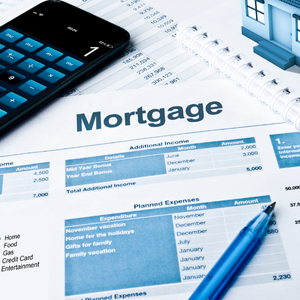
Selling a home in North Carolina is more than just finding a buyer; it requires managing mortgage payoff and closing fees. Sellers must coordinate these liabilities and financial obligations to have an efficient and low-cost sales process. Knowing how to finance the details of your mortgage payoff and how to calculate the closing costs helps sellers have a more streamlined property transaction and take command of their finances while avoiding last-minute surprises at the closing table. Sellers can take on the last steps of the home sale process to prepare themselves for the next chapter in their lives.
Steps to Make Selling Real Estate in North Carolina Easy & Smooth
The first step is to prepare and understand the key costs associated with selling real estate in North Carolina. Get the lender’s payoff quote to understand the remaining principal and interest that will be closed on. Use taxes on real estate, commission, insurance, title insurance, and home warranty, if applicable, to forecast real estate costs and determine sharpened pricing to align net proceeds to realize expectations.
Clear communication with the buyers, lenders, and their representatives will reduce conflicts and facilitate smooth negotiating and dispute prevention. If the seller preempts prepayment penalties, understands the market on a seasonal basis, and prepares the home with staging or minor improvements to enhance its selling potential, its appeal can be significantly improved. With cost and strategic advantage balanced to reduce stress, the seller can realize maximum profit while closing in a market that is selling real estate in North Carolina on a smooth basis.
Sellers who understand key sales elements can improve their strategy by considering these tips to streamline the process:
- Verify loan payoff quotes regularly to ensure accuracy and reflect current financial conditions.
- Include property taxes in the initial sale strategy and pricing.
- Negotiate or find alternative service arrangements to lower commissions.
- Title insurance can reassure buyers and boost transaction appeal.
- Discuss cost responsibilities with everyone to ensure smooth communication.
- Actively negotiate prepayment penalty waivers with your lender.
- Recognize seasonal market trends to improve pricing and costs during peak demand.
These additional factors strengthen a strategic approach, increasing the likelihood of a successful and stress-free property sale.
Know the closing costs for sellers in North Carolina to maximize sales profits. Knowing typical expenses like taxes and title insurance can help sellers make strategic decisions in 2025 as market dynamics change. Consulting with experienced legal and financial advisors provides clarity and may reveal savings, improving your bottom line. Knowing these costs helps first-time sellers and investors negotiate and streamline the selling process. Download our comprehensive seller closing costs guide or contact Zack Buys Houses for personalized advice.
Wondering if a seller pays closing costs in North Carolina? Whether you need to sell quickly, avoid costly repairs, or want a hassle-free sale, Zack Buys Houses is here to help. We provide fair cash offers, handle all the details, and make the process seamless. Ready to sell or have questions? Call us at 704-769-0141 for a no-obligation offer. Get started today!
FAQs
What do North Carolina sellers normally pay for closing?
Seller closing costs in North Carolina are usually 6%–10% of the sale price. Transfer taxes, prorated property taxes, title insurance, and attorney fees are examples.
How can sellers reduce their closing costs?
Cutting commissions and cost-sharing with buyers can lower closing costs for sellers. Communicating during negotiations can save money.
What role does title insurance play in seller closing costs?
Buyers get title insurance to avoid property claims. Sellers cover this cost to make the property more appealing, but strategic negotiations require understanding its implications.
Why is having an accurate mortgage payoff quote important?
To avoid closing discrepancies, sellers need an accurate mortgage payoff quote. Know the exact amount to plan and avoid financial surprises.
How do property taxes affect seller closing costs?
Up to closing, North Carolina property taxes are prorated, affecting closing costs. To avoid financial surprises, sellers must account for these taxes.
Helpful North Carolina Blog Articles
- Selling Your Investment Property in North Carolina
- Selling Your North Carolina Home With An Existing Mortgage
- How To Successfully Sell A House With Tenants In North Carolina
- Appraisal Repairs in NC: How They Impact Your Home Sale
- Documents Required to Sell a House in North Carolina
- Closing Costs Without a Realtor in North Carolina
- Filing A Quitclaim Deed For Real Estate In North Carolina
- Real Estate Division In North Carolina Divorce Cases
- Selling Your North Carolina Home Without A Real Estate Agent
- Who Pays the HOA Fees at Closing in North Carolina
- How to Sell a Condemned House in North Carolina
- How to Sell a House As-Is in North Carolina
- Does a Seller Pay Closing Costs in North Carolina
- Can You Sell a House That Failed Inspection in North Carolina
- Lease Options to Sell Your North Carolina Home