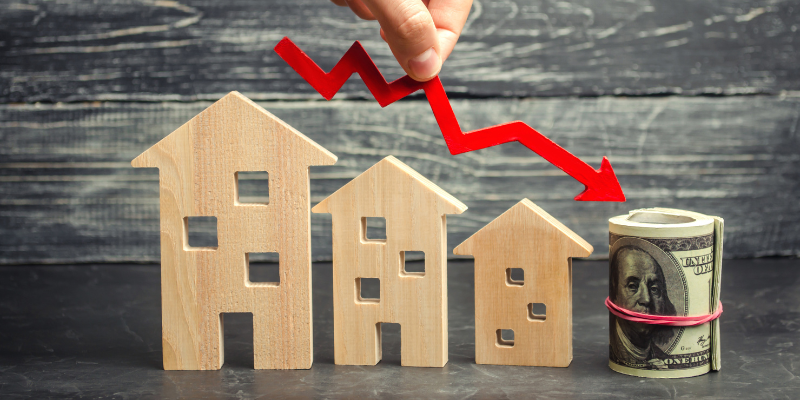
There could be many reasons a homeowner decides to sell a house for less than its market value in Charlotte, North Carolina. It could be financial, it could be personal. Whatever the reason, and it could seem illogical to the outsider looking in, there is such a thing as a balanced approach to such an undertaking. The Charlotte market has its intricacies, as does the law governing such a sale, and there could be a distinct competitive advantage in house pricing. This guide is intended to help the homeowner sell for less than market value, whether the goal is to close the sale quickly, attract a unique buyer, or offer unique buyer incentives.
Key Highlights
- Selling below market value in Charlotte facilitates quick transactions, aligning with financial urgency or personal circumstances.
- Understanding market value impacts pricing strategy and potential buyer interest, crucial for a successful home sale.
- “We Buy Houses” companies offer fast sales in Charlotte, ideal for urgent or as-is property selling needs.
- Knowledge of capital gains and gift taxes is vital for informed financial planning during a home sale in Charlotte.
- Sale pricing in the Charlotte area is influenced by market trends, economic conditions, and property-specific factors.
Understanding Market Value and Its Impact on Selling Your Home
Assessing market value helps you understand the realistic expectations and target buyers when you decide to sell your house in Charlotte, North Carolina. Market value is the price a knowledgeable buyer is willing to pay for a house, given current market conditions. Some parameters that market value is concerned with include location, recent comparable sales, property condition, and demand. Market value is a crucial factor in developing a pricing and marketing strategy, as well as the level of interest in the home once it is listed.
Some homeowners list below market value on purpose as a strategic move. Pricing just below market value can create a sense of urgency and buyer competition, leading to multiple offers and a higher price. Some people prefer to sell the house quickly, or have their own reasons. Once the market value is assessed and its impact on buyer behavior is understood, the seller’s decisions are clear, and the Charlotte housing market is less intimidating.
Zack Buys Houses offers a fast, fair, and hassle-free solution for homeowners who want certainty and convenience. We provide straightforward cash offers based on current market conditions, allowing you to sell your home quickly without repairs, showings, or delays—so you can move forward with confidence on your terms.
What Is Market Value and How Is It Determined?
Market value refers to what a property can be sold for in the open market under normal circumstances. It’s determined by what the buyers are willing to pay for the property based on a multitude of factors. To provide a figure for market value, buyers must examine real estate market activity, prior sales of comparable properties, and the property’s distinctive attributes. Location is a critical variable in ascribing market value. For example, selling a property in a prime location such as Charlotte, North Carolina, will likely yield a higher market value than selling it in an area with lower demand.
A detailed home appraisal goes a long way in assigning a precise market value. Home property appraisals are based on the property’s condition and can be conducted as a walkthrough. They assess the home’s and land’s physical characteristics, as well as any size modifications or upgrades. The appraiser also considers North Carolina market conditions, property tax assessments, and whether the home is to be sold in an as-is condition, as all of these factors will affect buyers’ value perception.
The factors affecting market value include economic conditions and interest rates. When economic conditions are strong and interest rates are low, buyers are financially and psychologically well-positioned to buy a home, which supports rising prices. On the other hand, a weaker economy and/or rising interest rates reduce buyers’ ability to afford, leading to lower prices.
If you are considering selling at a below-market value, it is especially important to approach the valuation from multiple angles. Knowing how market value is assessed enables a seller to price the home in line with their financial objectives, the property’s condition, and the impact of these assessments on the home-selling process.
Reasons You Might Sell Below Market Value

While it may seem illogical to sell a home for less than its worth, it is not uncommon for North Carolinians to sell below market value. Often, it is about more than achieving the highest profit; it is about achieving a sale quickly and certainly, especially given certain personal/financial situations.
A common scenario is a financial crisis. Falling behind on a mortgage, debt, or unforeseen costs can leave homeowners needing cash out sooner than they would wait for an appreciated price. Selling below market value attracts more prospective buyers, resulting in a faster sale. In the same vein, inherited homes sell for less because the successors do not wish to, or simply do not, have the time or resources to handle the upkeep, repairs, or ongoing maintenance.
Market factors and legal intricacies also have their influence. In adverse market conditions, sellers may prefer to sell now to avoid the risk of further market depreciation. In the instance of properties with many owners, legal disputes, or other encumbrances, it may, paradoxically, be to the advantage of such sellers to ‘simplify’ the resolution via a quick, below-market sale. While accepting a loss on a market sale would mean selling a property below its market price, it may make sense, given a number of factors, such as stress, risk, and the time required to seek more value from a less certain prospect.
It’s important to consider various factors that might lead a homeowner to sell their property at a price below market value.
- Financial difficulties may prompt a quick sale, prioritizing immediate cash flow over market value.
- Inherited properties can lead to unwanted maintenance or tax burdens, encouraging a lower price for a faster sale.
- Sellers moving to new job locations often prioritize speed over maximizing the sale price.
- Properties requiring substantial repairs often see reduced pricing to appeal to investors or DIY buyers.
- Divorce settlements may require a swift sale to efficiently divide assets between the parties.
- Local market saturation can force sellers to lower prices to remain competitive in a buyer’s market.
- Retirement or downsizing often motivates sellers to prioritize a quicker sale over financial gain.
- Legal or zoning issues might compel sellers to accept lower offers to expedite resolving complications.
Ultimately, these considerations illustrate that personal and situational factors can heavily influence a seller’s pricing strategy.
Exploring “We Buy Houses” Offers in Charlotte, NC
In the rapidly changing real estate market in Charlotte, North Carolina, “We Buy Houses” companies offer homeowners a way to sell quickly. These companies buy houses in as-is condition. Selling to them avoids the hassle of repairs, showings, and negotiations. This is especially attractive to homeowners facing urgent circumstances, such as foreclosure, moving, financial struggles, or inherited houses. For these sellers, certainty and speed may be more important than getting the market value for their houses.
It is important to understand that selling to a “We Buy Houses” company typically means selling your home for less than market value. While this does provide sellers with the opportunity to complete the sale much more quickly than selling the house conventionally, they need to evaluate their goals and be certain this is the path they want to take. This option is only advisable to sellers who need to have the csex done quickly without any issues. For sellers who have time to devote to closing the sale, they can choose a more traditional closing, even though it is more time-intensive.
Contact us and receive a fast, no-obligation cash offer tailored to your property and situation. Our goal is to provide a clear, straightforward option that prioritizes convenience, certainty, and a quick closing—helping you decide with confidence whether our offer is the right fit for your needs.
How Do “We Buy Houses” Companies Operate?
In recent years, rapid, straightforward property transactions have been enticing homeowners in cities like Charlotte, North Carolina, to sell to “We Buy Houses” companies. These businesses target sellers under time constraints who do not want to spend money on home repairs or renovations. Processed in a ‘first-come, first-served’ manner, potential sellers send offers to these companies, which then assess the homes. Homes are purchased in as-is conditions, and the assessment can be done virtually or in person, depending on the Charlotte housing market.
Companies assess the home and extend an offer, usually well below the home’s full market value. In return for the speed and certainty of a cash offer, sellers accept this value trade-off. In return for this cash offer, the company is also skipping many of the routine home-selling processes: updating and staging the home, conducting tours with prospective buyers, and answering many questions from different buyers. For sellers with time-sensitive issues such as a job change, losing a home to foreclosure, or inheriting a home, having the company close in a few days or weeks rather than the usual months is a significant benefit.
Another advantage of ‘We Buy Houses’ companies is their cost structure. Most of these companies eliminate typical selling costs, such as realtor commissions, appraisal costs, and even closing costs, allowing sellers to accurately estimate their final payout. Although the selling price is likely to be lower than what one would get on the open market, the service is stress-free, there are fewer selling costs, and cash can be accessed quickly. For Charlotte homeowners, these factors are especially important, as some sellers value convenience and the speed of the sale over profit.
Pros and Cons of Using “We Buy Houses” Services

Considering the benefits and drawbacks of “We Buy Houses” services is important for homeowners in Charlotte, North Carolina, especially if you are looking to sell your house fast in Greensboro, Charlotte, and other cities in North Carolina. One of the primary advantages is speed and convenience. Traditional home sales can take months due to repairs, showings, and negotiations, while these services offer a faster, more direct path to closing—often ideal for sellers facing urgent financial needs.
An additional home-selling advantage is being able to sell ‘as is’. This applies to people who still own their home and do not have the funds or do not want to do the renovations. Even though some sellers may get a lower-priced offer if they don’t do repairs and home staging, it allows them to sell their home without spending the time or money to do so.
The “We Buy Houses” services, on the other hand, almost always offer lower cash offers than those typically achievable with a standard sale. These firms will account for repairs, holding costs, and profit, and that almost always leads to a less favorable outcome for the seller. For those who simply want to achieve the biggest possible return, this will almost always be a drawback.
Moreover, while avoiding commission fees and time-consuming processes is appealing, sellers must remain alert to the terms of the contracts, as well as any possible price-reduction clauses that may be in effect post-inspection. All details must be understood prior to signing a contract. For Charlotte homeowners who value time and a straightforward process over a higher selling price, these services remain a sensible choice.
| Aspect | Details | Benefits | Considerations |
|---|---|---|---|
| Process | Fast closing is advantageous for urgent sales. | Streamlined and saves time. | May lack personalized service. |
| Timeline | Typically finalized within days to a few weeks. | Fast closing is advantageous for urgent sales. | Possibly pressured decision-making. |
| Offer | Fair cash offer made after property viewing. | Immediate cash availability. | Potentially lower than market value. |
| Fees | No closing costs or commissions. | Cost-effective with no extra fees. | Limited negotiation opportunities. |
| Condition of Home | As-is purchase, no repairs needed. | Convenient, saves repair costs. | Acceptance of any existing issues. |
The table effectively consolidates and presents the key points of ‘We Buy Houses’ offers in Charlotte, NC, allowing readers to quickly grasp the process, advantages, and potential drawbacks associated with such transactions. This format enhances the discussion by simplifying complexity and facilitating better decision-making.
Tax Considerations When Selling Your House
With regard to the tax consequences of selling your house in Charlotte, North Carolina, at below-market value, it can be tricky. Selling a house raises the question of capital gains tax when it is sold for more than its adjusted basis. Also, there are gift tax rules to consider if the house is sold for significantly less than fair market value to a relative. All of the aforementioned factors affect the net proceeds from selling the house. These factors should be considered before fixing the house’s selling price.
Also, in the case of a foreclosure, a seller must consider the tax consequences with the IRS, which may treat forgiven mortgage debt as income, and this is one of the consequences of a short sale. Understanding all the rules, especially those on tax exemptions or exclusions, is especially important so there are no surprises when it is time to pay taxes. Homeowners must be tax-compliant and make strategic decisions to align their financial goals and keep the selling process simple.
Understanding Capital Gains and Gift Tax Implications
Possible tax implications should always be carefully considered when selling a house in Charlotte, North Carolina, including capital gains tax, which applies to the profit from the sale. If a home is sold for a profit (i.e., from selling a home for more than it was purchased), the difference is considered a capital gain. The tax owed can be calculated based on the duration of home ownership. If properties are owned for over 1 year, the home can be taxed on long-term capital gains, which are usually lower than short-term capital gains applied if the home is sold within a year of purchase.
Additionally, more complex tax-related issues can arise when a home is sold (even if it is losing money) at a bargain price to friends or family. In these scenarios, the IRS may deem the difference between the closing sale price and the house’s fair market value a gift. This could mandate that the seller report the gift and even make them liable to tax on it. Therefore, one should be careful when valuing the property and should definitely avoid leaving a thin paper trail (in reference to documentation) to avoid complex IRS gift tax problems.
Strategic tax planning can significantly reduce your overall tax burden. If the property is your primary residence and you have lived in it for at least two of the last five years, you may qualify for a capital gains exclusion of up to $250,000 for single taxpayers or $500,000 for married couples filing jointly. In addition, documented home improvements—such as renovations or upgrades—can increase your cost basis, potentially reducing the taxable gain when the home is sold.
Finally, in addition to state tax obligations, sellers must also consider Federal requirements. Sure, state tax obligations have to follow federal rules, but there are still differences in how gains, gifts, and even losses are treated. This is why working with tax professionals or real estate attorneys on state and federal tax law may lessen the home-selling burden, help stay compliant, minimize risk, and make the home-selling process more efficient and financially predictable.
How a Short Sale Affects Taxes
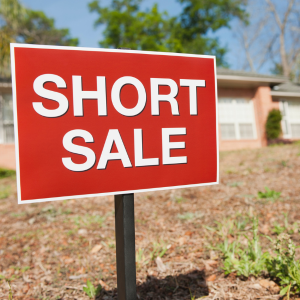
When considering short sales in North Carolina to resolve debts, sellers should consider the relevant tax implications. Short sales typically occur when a home sells for less than the mortgage balance and require lender approval. While the Mortgage Debt Relief Act used to allow some forgiven debts to be excluded from federal taxes, the Act’s expiration means sellers will have to claim the canceled debts, which will most likely increase their tax liabilities to the IRS. Knowing the tax implications of short sales will help sellers mitigate tax risks.
In addition to mortgage deadlines, North Carolina short-sale real estate laws introduce additional tax implications that sellers should be aware of. A tax professional who understands North Carolina real estate should help sellers understand the federal and state tax implications of the forgiven debts. The debts that the buyers will be forgiven will have tax implications that will affect them substantially and should therefore be thoroughly documented during lender negotiations and the sale.
While a short sale isn’t necessarily a direct tax problem, it can still impact your credit and restrict financing options down the road. Given the state of North Carolina’s housing market, keeping credit good while being tax compliant is a balancing act. Sellers can more effectively navigate the immediate tax ramifications and the longer-term financial consequences of a short sale by integrating the work of tax advisors, real estate professionals, and even credit counselors.
Setting the Right Sale Price for Your Home
Determining the right sale price for your home is one of the most important steps before selling, especially in Charlotte, North Carolina. It begins, of course, with understanding the relevant numbers and entails much more than standard calculations of the local market, comparable sales, neighborhood market demand, and the distinct characteristics of the selling home. If the sellers price their home at its true market value, the home will most likely attract serious home buyers and avoid sitting on the market for too long, which can cause extreme home seller stress.
Once a seller takes the time to analyze local market conditions, neighboring demand, and the home’s distinct characteristics, the seller balances financial needs with homebuyer demand and the home’s price. Additionally, underselling the home at a market price avoids putting the seller at a disadvantage. Charlotte’s housing market is rapidly changing, and in nearby diamonds, deep-selling home prices are rising, making it more enticing than before.
Factors Influencing the Sale Price
The sale price of a home in Charlotte, North Carolina, is shaped by several key factors that sellers should evaluate to attract buyers and maximize value. One of the most important is the current real estate market. In a seller’s market, strong demand and limited inventory may justify higher pricing, while a buyer’s market often requires more competitive pricing to stand out and attract investor home buyers in Charlotte and surrounding cities in North Carolina. Tracking recent sales and days on market in your area can further refine your pricing strategy.
Economic conditions also influence home values. When the economy is strong and interest rates are low, buyers tend to have greater purchasing power, which supports higher prices. During economic slowdowns or periods of rising interest rates, buyers may be more cautious, making pricing flexibility essential. Monitoring interest rate trends can help you anticipate shifts in buyer demand.
Property-specific details also play a major role. Location within Charlotte, proximity to schools and amenities, and the home’s size, layout, and condition all affect value. Updated features, such as renovated kitchens or bathrooms, can justify a higher asking price, while homes in need of repairs may receive lower offers unless issues are addressed before listing. Even minor improvements can positively influence buyer perception.
Finally, external and personal considerations matter. Neighborhood improvements or planned developments can boost appeal, while your timeline and financial goals may influence pricing strategy. Balancing market data, property condition, and personal priorities—often with local expertise—helps ensure your home is priced competitively and positioned for a successful sale. Clear goals can make pricing decisions more confident and effective.
Selling your house below market value in Charlotte can be a strategic decision that helps you sell more quickly when speed or liquidity is a priority. Carefully consider the potential consequences, including impacts on financial health and long-term goals. It’s advisable to explore all options, prioritizing those aligned with your unique situation. Access available resources, such as local home-selling guides, to ensure an informed and beneficial transaction. By leveraging the right strategies, you can navigate the sales process smoothly, achieving your objectives while sidestepping potential pitfalls. Remember, every property sale is an opportunity to advance toward future aspirations.
FAQs:
Why might someone choose to sell their house below market value in Charlotte, NC?
Selling below market value can be strategic for reasons like financial urgency, inherited property management, or anticipating a declining market. This approach helps achieve faster sales when circumstances prioritize speed or liquidity over maximum profit.
What factors influence the market value of a home in Charlotte, NC?
Market value is influenced by real estate trends, past sales of similar properties, the home’s condition, its location in Charlotte, economic factors, and interest rates. A home appraisal also plays a key role in determining market value.
How do “We Buy Houses” companies operate in Charlotte, NC?
These companies purchase homes quickly, often at prices below market value, focusing on speed and convenience. They eliminate traditional sales hurdles, such as staging and showings, making them suitable for sellers who prioritize a quick, hassle-free transaction.
What are the common tax implications when selling a home below market value in Charlotte?
Selling below market value can trigger capital gains and gift tax considerations. Understanding these tax obligations, along with the implications of a short sale, is essential for managing tax liabilities and aligning sales with financial goals.
How should one set the sale price of a home in Charlotte, NC?
Setting a sale price involves assessing market conditions, economic factors, and property-specific attributes like location and condition. Balancing these against personal financial goals ensures the home is competitively priced to attract buyers.
Looking to sell your home? Whether you want a fast sale, want to skip expensive repairs, or prefer a stress-free process, Zack Buys Houses can help. We provide fair cash offers, handle the details, and make selling simple. Ready to get started or have questions? Call 704-769-0141 for a no-obligation offer today.
Helpful Charlotte Blog Articles
- Sell Your Charlotte, NC, Home To A Real Estate Developer
- Discover Charlotte, NC’s Top Neighborhoods
- How Long After an Appraisal Can You Close in Charlotte, NC
- How to Handle the Sale of a Rental Property in Charlotte, NC
- Selling a House Divorce in Charlotte, NC
- Selling a House with Foundation Problems in Charlotte, NC
- Do I Need to Paint My House in Charlotte, NC, to Sell It?
- Can I Sell My House Below Market Value in Charlotte, NC?
- What Taxes Do I Have to Pay When I Sell My House in Charlotte, NC?