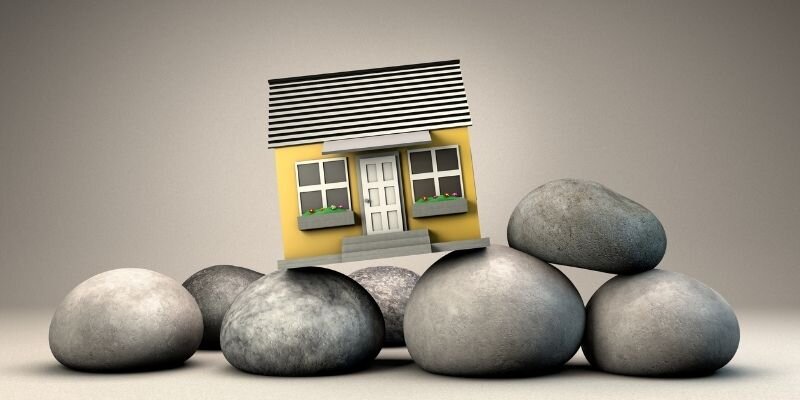
Selling a house with foundation problems in North Carolina can be challenging, but with the right guidance, it doesn’t have to be. Zack Buys Houses helps homeowners explore their options, whether repairing or selling as-is, while navigating disclosure laws for a smooth and successful sale.
Understanding Foundation Concerns in North Carolina
North Carolina foundation issues can lower home value and structural stability. Homeowners must fix foundation difficulties due to the state’s unique soil and weather. Early detection of foundation faults can prevent costly repairs and damage. This section will explain common causes, how to spot a faulty foundation, and how homeowners can address these issues. When selling a North Carolina property with foundation issues, knowing these details can help.
Common Causes of Foundation Issues
Environmental factors often cause foundation problems in North Carolina. Foundation challenges arise from the state’s different soil types, from sand along the coast to clay in the Piedmont. Soil moisture fluctuations cause clay soils to expand and compress. This expansion can stress a home’s foundation, causing cracks and other concerns. Sandy soils may not be stable enough to support a foundation, causing it to settle unevenly.
Changes in the weather in North Carolina often lead to problems with foundations. The weather in the state can be very different, from heavy rain to long dry stretches. Long periods of rain can make the soil around a home’s foundation too wet, which can lead to hydrostatic pressure. When there is a drought, the soil shrinks away from buildings, which can cause the foundation to slip and crack. If the drainage and water management are not good, water can build up around the foundation and wear down and undermine the concrete foundation.
Human activity can generate foundation issues as well as natural ones. Landscapers or builders can damage soil stability with aggressive excavation. In new developments, poorly compacted fill material can cause subsidence as the ground settles. Grading away from the home, maintaining gutters and downspouts, and constructing drainage systems to manage water runoff can help homeowners avoid these concerns. Understanding these typical reasons helps North Carolina residents plan and safeguard their homes from foundation troubles.
Identifying Signs of a Bad Foundation in North Carolina
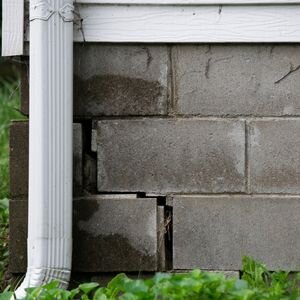
To prevent further damage and preserve property value, detect foundation problems early. Householders in North Carolina should watch for foundation difficulties. The foundation may shift if wall cracks are larger than a quarter-inch. Cracks in brickwork and drywall might be horizontal, vertical, or stair-step patterns. Unexpected gaps around window frames and doors that stick or don’t lock indicate foundation shifting. These visible alterations result from foundation shifts affecting structure alignment.
Uneven or sloping flooring is a key indicator. The flooring might settle unevenly on an unsteady base, creating dips or slopes in flat surfaces. Settlement or sinking foundations may cause separation between walls and ceilings or floors. Seepage or moist walls in basements may indicate water accumulating around the foundation, causing hydrostatic pressure and structural damage.
Outward inspections can identify foundation issues. Look for bending walls, leaning chimneys, and door/window gaps. The construction may be supported by a weak base. For instance, if the soil around the foundation appears soggy or eroded, this may indicate underlying concerns. Regular foundation inspections and early minor repairs can avert major issues. The cautious North Carolina homeowner may preserve their investments and keep their property safe.
Want to sell your home for cash in North Carolina? We make it fast and easy.
The Market for Houses with Foundation Problems in North Carolina
Home sellers in North Carolina with foundation difficulties must grasp market variables. Homes with foundation difficulties sell because buyers desire value-added potential. Knowing what to expect when selling a house with such concerns helps sellers. Buyer motivations and sale obstacles must be understood. Buyer interests and what sellers might expect when selling a house as-is are covered here.
Are There Buyers for Houses with Foundation Concerns?
Homeowners may question whether buyers will buy a house with foundation difficulties. The North Carolina market for foundation-damaged homes is intriguing. Investors, flippers, renovators, and customizers buy. The lower initial pricing of foundation-problem properties attracts many buyers. They expect to negotiate a repair-inclusive sale. This dynamic may assist homeowners in evaluating their market.
North Carolina housing can affect foundation-problem home sales. Foundations may face regional challenges that buyers may not expect due to the state’s weather and soils. Market-savvy purchasers may understand these geographical difficulties and acquire a home accordingly. Others may see this as a chance to buy a desired home at a discount. These features make North Carolina’s market unique, with savvy buyers eager to manage homes.
Selling foundation-damaged homes needs honesty. Pre-sale foundation inspection reports assist buyers in understanding issues and repair costs. Disclosure of all foundation issues is ethical and may prevent legal issues. Sellers should disclose foundation repairs or preventative measures. By offering a detailed explanation, homeowners can reassure buyers that the issues are manageable and that the house may be a smart investment.
Selling a House As-Is: What to Expect
When selling a house in its current condition, especially one that has foundation problems, it’s essential to establish clear expectations and get ready for the practical hurdles that may arise. In North Carolina, selling a home in its current state with foundation issues requires a clear grasp of the effects on sale terms and the interests of prospective buyers. Transparency is essential as buyers are likely to examine every detail closely to assess the severity of foundation issues and other possible risks. Homeowners must be prepared to reveal any known issues, supported by inspection reports, to foster trust with prospective buyers.
Setting fair pricing is important. Understanding market values can help price foundation-problem houses competitively. To determine a price range, check previous sales of similar foundation-damaged properties in the region. Pricing the home correctly can attract purchasers who see it as a promising investment despite structural issues.
When selling a house that has foundation issues, expect negotiations to focus significantly on the costs of repairs. It’s essential for sellers to be aware that buyers may seek additional concessions following their inspection findings. Having a clear grasp of required repairs and their costs is vital in this scenario. Possessing estimates from trustworthy contractors can enhance your bargaining power and offer transparency to potential buyers. It’s essential for sellers to emphasize the property’s appealing features that could work in its favor, like an excellent location, a roomy layout, or opportunities for distinctive renovations.
Selling a North Carolina property with foundation difficulties requires understanding its market and meeting buyer expectations. Selling a home with transparency and reasonable pricing will attract determined purchasers eager to invest or renovate. The procedure may seem difficult, but with the appropriate technique and market knowledge, you can sell.
At Zack Buys Houses, we buy houses in Charlotte and other cities, helping you sell quickly and hassle-free.
Foundation Repair: Costs and Considerations

Understanding foundation repair costs and concerns is crucial when selling a North Carolina house with foundation issues. Foundation restoration affects the sale price and a buyer’s view of the home’s worth and safety. Understanding repair costs and determining whether to repair before selling helps homeowners make decisions. Foundation repair costs and pre-sale strategy are covered in this section.
How Much Does Home Foundation Repair Cost?
The cost of fixing a foundation depends on how bad the damage is and how it is fixed. The different types of dirt and weather in North Carolina make these costs even more variable. Foundation repair prices can range from a few thousand dollars to tens of thousands of dollars for underpinning or replacing the foundation. It also makes a big difference in the costs, depending on what kind of floor you have: concrete slab, crawl space, or basement. Specialized injections or underpinning may be needed to fix a concrete slab. The goal is to stabilize and lift areas that have fallen.
Cost calculation requires various parameters. Further foundation faults require labor-intensive repairs. Labor and material prices vary across North Carolina, affecting cost. If major excavation or home structural changes are needed, the impacted area may be more expensive to access. Additionally, some repairs might require permits or professional inspections, adding to the initial repair bill. With these expenses and factors, getting multiple contractor quotations is wise.
For homeowners, understanding these cost parameters helps in assessing whether to undertake repairs before a sale. Repairs can increase the home’s marketability, reduce buyer-initiated price disputes, and increase its value, despite the financial investment. Consider foundation repair expenditures as an investment to maximize sale results. Unlike an “as-is” house, one with addressed foundation faults will draw serious purchasers and competing offers.
Should You Make Repairs Before Selling in North Carolina?
There are several things to think about when deciding whether to fix foundation problems before selling. It’s very important to find the right balance between the money you can make and the expense of repairs. Owners need to choose if the final sale price will pay for renovations or if they may make money by selling the property as-is. It’s important to know what North Carolina homebuyers want. Some purchasers want homes that need work done on them to be cheaper, while others don’t want big changes.
Potential sellers must evaluate how foundation repairs boost property value. Structurally solid homes attract buyers, eliminate repair discount negotiations, and sell faster. Competitive market conditions, including neighborhood sales of properties with and without foundation repairs, can help determine ROI. Foundation repair documentation shows buyer confidence and dedication to property maintenance.
Selling without repair may be advantageous in several instances. As-is sales are speedier if repair expenses are high or the homeowner lacks funds for upfront repairs. The home can be sold without repairs if it’s in a desirable location where purchasers value location above quality. Any foundation faults must be clearly stated to potential buyers to minimize legal obligations post-sale. When evaluating market conditions and personal circumstances, the decision comes down to immediate financial capabilities and future sale potential.
Selling your property? We make it quick, effortless, and fair. Contact Us at Zack Buys Houses.
Strategies for Selling a Home with Foundation Issues

Foundation difficulties can make selling a home difficult, but with the right approach, it can be done. Understanding disclosure laws, negotiating with buyers, and assessing repairs vs. selling as-is are key. Sellers must disclose issues in North Carolina, where soil and climate impact foundations. It takes strategy to attract motivated customers eager to invest or renovate the foundation issues in this industry. These measures can help homeowners sell despite foundation issues.
Disclosure Requirements for Foundation Problems
North Carolina mandates strict disclosure when selling a home with foundation difficulties. Transparency is essential in sales; thus, state law requires homeowners to disclose foundation issues to buyers. Sellers can avoid legal issues and create buyer trust by reporting foundation issues. A disclosure form describes the home’s foundation and any repairs or evaluations. Potential buyers can make informed house decisions with this clear picture.
It is essential to legally and ethically disclose any foundation issues. Thorough and transparent information can significantly influence negotiations. Transparency is highly valued by buyers, facilitating smoother transactions and enhancing offerings. Sellers ought to present inspection reports or estimates that highlight foundation issues and their corresponding solutions. This approach can effectively establish the atmosphere for discussions, providing comfort to buyers.
Transparency builds trust and helps sellers stand out in a competitive market. Sellers with integrity and transparency attract buyers. Foundation issues can be addressed and disclosed by sellers to avoid unanticipated complications during the transaction. This proactive approach can make selling a property easier and faster, allowing homeowners to sell despite foundation issues.
Negotiating with Buyers: Tips and Tactics
Addressing buyers when foundation problems come to light is essential for selling your home. Frequent discussions to align the expectations of buyers and sellers often arise after addressing foundational issues. This approach necessitates that sellers come fully equipped. First, it’s essential to understand the costs associated with foundation repair. Detailed insights from reliable contractors assist sellers in negotiating and providing clarity for buyers. This can bolster the proposed price and any concessions offered.
Emphasize the home’s potential and reassure purchasers of its value. Showcase any foundation-free features like a good location or thoughtful interior design. These qualities mitigate foundation issues. A difficult discussion might be resolved by sellers splitting repair costs or adjusting the asking price to address the buyer’s financial worries. Flexibility and recognizing buyer concerns can benefit both parties.
Discuss methods and potential benefits to boost purchasers’ investment confidence. Share how foundational repairs boost property value and stability. Sellers and buyers can build trust by negotiating a reasonable price, similar goals, and a prospective investment. Being upfront about foundation repairs and property appreciation after repair reassures buyers. This bargaining tactic can turn obstacles into sales achievements.
It’s ethical and legal to disclose foundation issues. Truthful information can greatly affect negotiations. Transparency can help buyers negotiate better sales. Inspection reports or estimates should show foundation faults and how they were fixed by the sellers. Buyers might feel confident in their investment using this technique during negotiations.
Additionally, transparency builds trust and allows sellers to stand out in a competitive market. Reliable vendors attract buyers. Identifying and disclosing foundation issues helps sellers steer clear of unforeseen obstacles throughout the selling journey. This forward-thinking approach allows homeowners to navigate the selling process with greater ease and effectiveness, even when dealing with foundation issues.
Need to sell your home? Sell fast, skip the repairs, and enjoy a hassle-free experience. Zack Buys Houses is here to help. We provide fair cash offers, handle every detail, and keep the process simple. Ready to sell or have questions? Call us at 704-769-0141 for a no-obligation offer. Get started today!
FAQs:
What Steps Should I Take to Sell a House With Foundation Problems in North Carolina?
Homes facing foundation issues need to be marketed with a thoughtful approach. Begin by assessing the potential for repairs, analyzing market trends, and ensuring clear communication regarding any issues. Decide whether to make repairs prior to selling or to list the property in its current condition. Stay informed about disclosure requirements to steer clear of legal issues.
How Do North Carolina’s Soil and Climate Affect Foundation Issues?
Clay and sand in North Carolina can expand and compress, influencing foundation stability. Storms and droughts in the state affect soil moisture, which can cause foundation cracks, settling, and erosion.
Who is Interested in Buying Homes With Foundation Problems?
Investing, flipping, and renovating foundation-problem homes are popular. Potentially lower prices and value addition attract such buyers. Sellers can modify their tactics by understanding their motivations.
What Are the Common Signs of a Foundation Problem in Homes?
Foundation issues include cracked walls or floors, unsealed doors and windows, uneven flooring, water seepage in the basement, tilting chimneys, and gaps around exterior doors and windows.
Should I Repair Foundation Issues Before Selling My House?
Foundation repairs should be weighed against sale price increases. Repairs boost value and attract buyers. To decide, check local sales and your finances.
Helpful North Carolina Blog Articles
- Sell My House in Foreclosure in North Carolina
- Selling a Probate House in North Carolina
- Can You Sell a House With a Lien in North Carolina?
- How to Sell an Inherited House in North Carolina
- How to Sell a Hoarder Home in NC
- Can the Seller Back Out of a Contract in NC
- Sell Your House to the Bank in North Carolina
- Do I Need a Lawyer If I Sell My House for Cash in North Carolina
- Selling a House in a Trust After Death in North Carolina
- Selling a House With Foundation Problems in North Carolina
- FSBO Costs in North Carolina