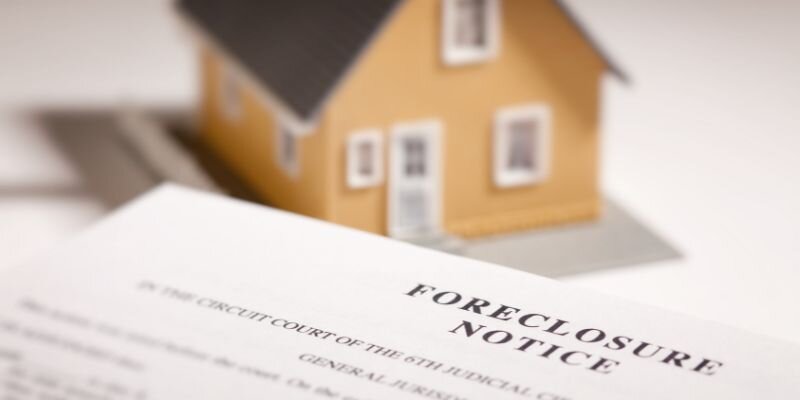
There’s more to your house than just the land around it. It’s where you’ve built memories, raised your family, and saved money for the future. But when money problems happen, and default is a possibility, it can be too much to handle. A great many people in North Carolina lose their homes because they don’t know what to do or wait too long.
The number of foreclosures filed in North Carolina has increased significantly, hurting many families each year. It doesn’t have to happen, though. If you’re behind on your bills, there are things you can do that might help you keep your home or avoid long-term financial damage. You need to act quickly and know what you can do before it’s too late.
If you’re reading this, you’re probably feeling overwhelmed. That’s completely normal. Foreclosure is scary, but it’s not hopeless. Let me walk you through everything you need to know about stopping foreclosure in North Carolina, from understanding the legal process to exploring every possible solution.
North Carolina Foreclosure Laws and Timeline: What Homeowners Need to Know
North Carolina’s average foreclosure process takes about 110 days, which is pretty long for a state that doesn’t use courts for foreclosures. You have longer than people in many other places to think about what you can do and then do it.
Before a house is sold at a foreclosure sale in North Carolina, the first payment is usually missed. After that, the process usually takes about 120 days. This deadline can change, though, depending on whether you respond to notices and take steps to protect your rights.
North Carolina mostly uses non-judicial foreclosures, meaning the process takes place mostly outside of court. Don’t let that make you think you have no other options, though. Despite this, the state still has rules lenders must follow, which give you opportunities to stop the process.
Understanding Non-judicial vs Judicial Foreclosure in North Carolina
In North Carolina, most evictions are done without going to court. Judicial evictions are less common and are used only when certain problems arise, such as title issues.
Without a court order, your lender can take your home even if you haven’t paid your bill. Instead, they follow a process set out in state law. If you live in North Carolina, you need to have a preliminary hearing before this can happen. The meeting to decide whether a foreclosure sale can proceed will be run by the court clerk.
Sometimes, a judge will take your home back because the title isn’t clear or there isn’t a power-of-sale clause in your mortgage or deed of trust. The court process takes longer, but you have more chances to protect yourself.
North Carolina Right to Cure Period and Notice Requirements
In North Carolina, the time you have to give notice before being kicked out is one of your best defenses. Lenders have to send a pre-foreclosure letter about 45 days before they put the house up for sale. You have time to think about what you can do to keep your house. This letter generally provides important information, such as how much you owe to pay off the loan. Plus, you can get in touch with your mortgage company and a HUD-approved housing aid group for help.
Also, lenders can’t start the eviction process unless you are more than 120 days behind on payments. This is against federal law. Some things don’t follow this rule, though. This built-in window of time gives you a great chance to work with your lender, get help, or think about other options before the foreclosure process starts. Selling a house with a mortgage, as well as understanding your rights during this window, can open up better alternatives and help you avoid foreclosure altogether.
Emergency Steps to Stop Foreclosure Proceedings in NC Immediately
The most valuable thing you have is time. When foreclosure papers start coming in, you need to act right away. As soon as possible, preferably within 24 hours, get in touch with your lender. Don’t ignore calls or letters; many lenders have programs that can help if you contact them early. Also, get together all of your financial papers, like pay stubs, bank statements, tax returns, and a list of your monthly bills, so you’re ready for any applications or talks.
Also, you should talk to a HUD-approved housing counselor. For example, the North Carolina Housing Finance Agency has these counselors who can help you understand your choices and provide free advice. If you need to stop eviction right away, filing for bankruptcy may give you time to catch up on payments or work out a plan with your lender through an automatic stay.
Working with HUD-approved Housing Counselors in North Carolina
If you are facing eviction, a HUD-approved housing counselor can be very helpful. They know the rules in North Carolina, work closely with lenders in the area, and do so for free. Their job is to help you explore all your options so you can keep your home or limit the damage to your finances.
These counselors can look over your mortgage papers for mistakes, help you make payment plans that are reasonable based on your income, talk to your lender directly, and put you in touch with help programs you might not know about. A lot of the time, they’ve helped homeowners identify mistakes made by lenders that prevented foreclosures or secured loan modifications that reduced monthly payments.
Government Assistance Programs for NC Homeowners in Financial Distress
The North Carolina Housing Finance Agency (NCHFA) is responsible for ensuring that North Carolinians can keep their homes and avoid default. Not enough people know about these tools, so they aren’t used as much as they could be. One such fund is the Hardest Hit Fund. Without a job, having lost their job, or going through other hard times, it helps by giving them money to pay their rent or to briefly lower their monthly costs.
You could also use the program to help you pay your mortgage. Debtors who are having a tough time can get up to $30,000 from it. This help is available for people who were hurt by COVID-19. Most of the time, you don’t have to pay this help back after a certain period. Plus, Wake and Mecklenburg counties in the area have their own debt help services for people who need them the most. To find out more about all of these options, you can call the social services office in your county.
Negotiating with Lenders: Forbearance and Payment Plans in North Carolina
The bank doesn’t want your house; foreclosure notices can be stressful, but lenders lose time and money when homes are lost through default. Lenders know your home has value because North Carolina home prices are going up (4.8% year-over-year to a median of $384,100). This often makes them more ready to work with you on a solution rather than going through the foreclosure process.
Forbearance and payback plans can help you catch up on missed payments over time by adding a set amount to your monthly bill. Forbearance can temporarily lower or stop your mortgage payments for 3 to 12 months, giving you time to get your finances back in order. Being honest about your finances is important, and you should only agree to terms that you can actually afford. Making a plan that you can’t stick to will only make things harder in the long run.
Loan Modification Options for North Carolina Homeowners Facing Foreclosure
When you get a loan modification, the terms of your mortgage will change forever. In this case, the lender may lower your interest rate, extend the loan term so that your monthly payments are lower, change your rate from adjustable to fixed, or add the time you missed payments to the end of your loan.
Showing that you can afford the new payment terms but not the old ones is important if you want to get a change. You will have to fill out a full financial package and show that you will have a hard time for a long time.
It is no longer possible to get modifications through the Home Affordable Modification Program (HAMP). However, most lenders have their own modification schemes. Fannie Mae and Freddie Mac can also change certain things about the loans they own.
Refinancing Options to Avoid Foreclosure in NC Markets
If you refinance, you might get a better mortgage, but it might be harder to do if you’re already behind on payments. Yes, you can still do it if your home’s value has gone up and you’ve saved enough money. NC home prices have stayed the same, so some people may still be able to refinance even if they’ve had bad luck with money in the past.
There are programs like VA IRRRL choices for veterans or FHA that can make it easier to refinance. People who already have an FHA loan and have made at least 12 payments can get a faster refinance. While you’re still living in the house, some lenders offer “cash for keys” schemes in which they pay you to leave it alone. This option might be better for your credit score than getting into full default, even though it’s not ideal.
If you’re unsure which option is best for your situation, contact us, and we’ll help you review your choices and next steps.
Reinstating Your Mortgage After Default in North Carolina
If you refinance, you might get a better mortgage, but it might be harder to do if you’re already behind on payments. Yes, you can still do it if your home’s value has gone up and you’ve saved enough money. NC home prices have stayed the same, so some people may still be able to refinance even if they’ve had bad luck with money in the past.
There are programs like VA IRRRL choices for veterans or FHA that can make it easier to refinance. People who already have an FHA loan and have made at least 12 payments can get a faster refinance. While you’re still living in the house, some lenders offer “cash for keys” schemes in which they pay you to leave it alone. This option might be better for your credit score than getting into full default, even though it’s not ideal.
North Carolina Foreclosure Mediation Programs and Requirements
There isn’t a national foreclosure mediation program in North Carolina, but some counties offer services that help homeowners and lenders work out a deal. In mediation, a third party who is not involved in the case helps both sides work out options such as loan modifications, repayment plans, or other ways to avoid default.
Many lenders will agree to mediation if you ask, even if there isn’t a formal program in your area. This shows good faith and a desire to fix the problem. Most of the time, local legal aid organizations can help you find a qualified mediator or offer mediation services. This is usually much cheaper than paying an attorney to handle all of your legal needs.
Filing for Bankruptcy to Halt Foreclosure in North Carolina Courts
Bankruptcy is a legal way to start over, not a sign that you’ve failed. Many homeowners choose Chapter 13 bankruptcy because it lets them keep their home and restructure their payments over 3 to 5 years. And it might be possible to lower or eliminate other bills. This will help you pay your mortgage on time in the future.
Title 7 bankruptcy is a type of bankruptcy that can eliminate unpaid debts but not mortgage payments. This is a better choice if you want to give up the house. For most people in North Carolina, the upset bid period is the last chance to stop foreclosure through bankruptcy. Because of this, it’s best to look into this option early rather than wait until the last minute.
Legal Representation for Foreclosure Defense in North Carolina Courts
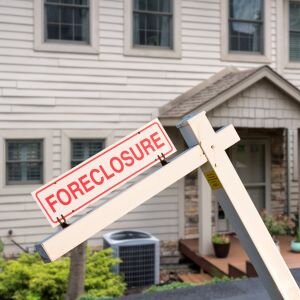
You can go to court to fight a foreclosure if there are good reasons, like not getting enough notice, making a mistake with the amount you owe, problems with the chain of title, or breaking federal rules about mortgage service. You can call 1-866-219-5262 or apply online for Legal Aid counsel if needed. There are also other groups that help homeowners who are facing foreclosure. Having a lawyer can still slow down the process and give you more time to look into other options, even if you don’t have strong legal arguments. Also, many lawyers offer payment plans or lower fees for foreclosure cases.
North Carolina Homestead Exemption and Asset Protection Strategies
The homestead exemption in North Carolina shields up to $35,000 of the equity in your main home from creditors ($70,000 for married couples filing jointly). This safety works even if you file for bankruptcy, and it may affect your choice of whether to fight the foreclosure or give up the property.
Sell your house fast for cash in Asheville, NC, before it goes into default if you have significant equity. This will help you keep your equity. If the market is moving quickly, you might be able to sell quickly and avoid default.
Short Sale Process and Benefits for North Carolina Property Owners
The lender will agree to accept the price difference as full payment if you sell your home for less than what you owe. In the long run, this keeps you from going into debt and hurts your credit score less. But it takes a while because the lender has to agree to the sale’s terms and price. It might take months.
Most of the time, you have to show that you are having trouble paying your bills and that the house is worth less than what you still owe on the mortgage. These days, you should work with a skilled real estate agent and maybe even a lawyer to get through the process. The lenders might even give you extra cash, sometimes called “cash for keys,” if you agree to a short sale instead of an eviction.
Deed in Lieu of Foreclosure: Alternative Solutions for NC Homeowners
If you voluntarily give your property to the lender instead of going through the foreclosure process, this is called a deed-in-lieu of foreclosure. It may be faster and less bad for your credit than going through default.
You’ll need to meet certain requirements in order for some lenders to accept papers in lieu. Usually, you need to owe more on the property than it’s worth, have tried to sell it but failed, have no other liens on it, and show that you are really having a hard time paying your bills.
Some lenders will help homeowners move or provide cash if they sign a deed-in-lieu of foreclosure. This can make the move to a new home go more easily.
Selling Your Home Fast to Avoid Foreclosure in North Carolina
To avoid foreclosure, selling your home quickly is sometimes the best option. On average, it takes about 33 days for a house to sell in North Carolina. This shows that even in a stable market, a standard sale can still take some time. If your home is worth enough, putting it on the open market might get you the most money. But if foreclosure is coming up, you might need a faster answer.
Cash home buyers in North Carolina, like Zack Buys Houses, can close in as little as 2 weeks, which may be faster than a bank’s time to take back a house. That being said, you might not get the full market value, but you can keep your credit score high and often still walk away with cash. It’s easy: we look at your house, make you a fair cash offer, and close on a time that works for you.
Post-foreclosure Rights and Redemption Periods in NC
In North Carolina, homeowners have only a short time to get their home back after it is sold in a foreclosure auction, usually 10 days. You can get the house back during this time by paying the full foreclosure sale price plus any other costs and interest. However, most people who were already having trouble making their payments can’t do this. Also, there is an “upset bid period” lasting about 10 days after the sale. This is when other buyers can make higher offers, which can raise the final sale price and maybe even beat the winning bid.
Building Financial Recovery After Foreclosure Prevention in North Carolina
Rebuilding your financial security is important, whether you keep your home or lose it. To regain control of your money, start by creating a realistic budget that includes all your current income and essential costs.
It’s very important to stick to your new payment terms if you were able to keep your home through a loan modification or similar arrangement. Missing a payment could restart the foreclosure process. You should also work with a nonprofit credit counseling service to make a plan for how to handle your debt and start saving for emergencies, even if it’s only $25 a month. This will help you deal with future financial problems.
Frequently Asked Questions:
What Is a Hardship Letter to Prevent Foreclosure?
A hardship letter is a detailed explanation of the financial circumstances that led to your mortgage default. You’ll need to document your hardship with supporting evidence, such as medical bills, layoff notices, or divorce papers. The letter should explain how your situation has changed and outline your plan for getting back on track financially.
What Is the NC Foreclosure Relief?
North Carolina foreclosure relief includes several state and federal programs designed to help homeowners avoid foreclosure. The North Carolina Housing Finance Agency administers the State Home Foreclosure Prevention Project, which provides counseling and connects homeowners with assistance programs. There are also emergency mortgage assistance programs and hardship funds available through various state and local agencies.
What’s the Best Way to Stop a Foreclosure?
The best way to stop foreclosure depends on your specific situation and how far along the process has progressed. Early intervention through communication with your lender and exploring loss mitigation options like forbearance or loan modification is usually most effective. If foreclosure is imminent, filing Chapter 13 bankruptcy can immediately halt the process and give you time to catch up on payments.
Will Banks Work with You to Avoid Foreclosure?
Yes, banks generally prefer to work with homeowners rather than foreclose because foreclosure is expensive and time-consuming for them. Most lenders have loss mitigation departments specifically designed to help struggling borrowers. However, you need to contact them proactively and be prepared to document your financial situation thoroughly. The key is reaching out before you’re too far behind on payments.
Foreclosure doesn’t have to be the end of your homeownership story. North Carolina’s laws provide multiple opportunities to save your home, but time is critical. The sooner you act, the more options you’ll have available.
If you’re facing foreclosure and need to explore selling your home quickly, companies like Zack Buys Houses can provide a fast, fair solution that helps you avoid the devastating credit impact of foreclosure while putting cash in your pocket to start fresh.
Remember, you’re not alone in this fight. Thousands of North Carolina homeowners face foreclosure every year, and many find ways to save their homes or transition to better situations. The key is understanding your rights, exploring all your options, and taking action quickly.
If you want to talk through your options, we’re here. No pressure, no obligation. Sometimes just having someone explain your situation can help you see a path forward you hadn’t considered before.
Helpful North Carolina Blog Articles
- Sell My House in Foreclosure in North Carolina
- Can the Seller Back Out of a Contract in NC
- Sell Your House to the Bank in North Carolina
- Do I Need a Lawyer If I Sell My House for Cash in North Carolina
- Selling a House in a Trust After Death in North Carolina
- Selling a House With Foundation Problems in North Carolina
- FSBO Costs in North Carolina
- Can You Sell a House With a Lien in North Carolina
- How to Stop Foreclosure in North Carolina
- Selling a House During Divorce in North Carolina
- Selling a House with a Mortgage in North Carolina