Your house caught fire last week. You’re standing in what used to be your kitchen, holding an insurance adjuster’s preliminary estimate that doesn’t match what you’re seeing. The smell of smoke clings to everything, and you can’t shake the question that keeps running through your head: what now?
The answer is more straightforward than it might feel right now: selling your fire-damaged house is absolutely possible. You don’t have to wait for insurance companies to finish their investigations. You don’t have to spend months coordinating contractors. And you definitely don’t have to restore the property before finding a buyer.
The 2025 median home price in North Carolina is $393,000, reflecting continued year-over-year growth. Even with fire damage, your property retains significant value. The current median days on market in North Carolina is 33 days, but cash buyers who We Buy Houses in North Carolina can often close in two weeks or less, regardless of condition.
How Fire Damage Affects Property Sales in North Carolina
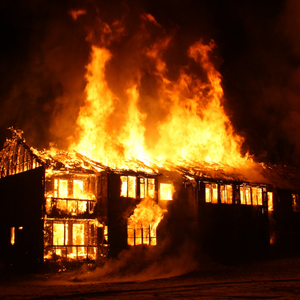
Fire damage doesn’t automatically disqualify your property from the market. North Carolina recorded 10,342 structural fires in 2025, resulting in $359.38 million in property damage, with residential fires accounting for 76% of those incidents (NC Office of State Fire Marshal, 2025). Thousands of homeowners face this decision every year.
The state’s real estate market remains active for damaged properties. Cash buyers and investors actively seek fire-damaged homes because they understand the potential. While traditional buyers might walk away, investors see opportunity where others see problems.
Your geographic location within North Carolina affects your options. Properties in the Research Triangle area, which includes Raleigh, Durham, and Chapel Hill, typically generate more investor interest than rural counties. But fire-damaged homes in Wilmington’s historic downtown and small towns in the western mountains sell successfully too.
Types of Fire Damage and How They Affect Home Value
Not all fire damage is created equal. Understanding the different types helps you set realistic expectations.
Smoke Damage
Smoke damage is the mildest category. The fire was contained to a small area, but smoke traveled through the house, settling into walls, ceilings, HVAC ducts, and soft surfaces. Cleanup costs typically run $3,000 to $15,000 depending on square footage and penetration depth.
Partial Structural Damage
Partial structural damage means fire reached load-bearing walls, flooring systems, or the roof structure. Rooms directly affected by flames need complete reconstruction, but the majority of the house remains intact. Repair costs typically range from $25,000 to $75,000.
Total Loss
Total loss means the structure is beyond economical repair. The foundation may be intact, but everything else requires demolition and rebuilding. The property still retains land value, which in desirable North Carolina locations can be substantial.
Water Damage from Firefighting
Water damage from firefighting complicates every category. Fire departments use thousands of gallons to suppress flames, and that water soaks through floors, walls, and personal belongings that the fire never touched. Factor this into any damage assessment.
How to Assess Fire Damage Before Selling Your Home
Document everything with photos and video before insurance adjusters arrive. Then work through these key areas:
Structural Elements
Look for charred or weakened support beams, sagging floors, and roof damage. Check foundation walls for cracks that might indicate heat stress.
Building Systems
Fire often damages electrical wiring, plumbing, and HVAC ductwork even when flames don’t directly reach them. Heat melts plastic components and warps metal connections.
Smoke Penetration
Smoke travels through ventilation systems, under doors, and into spaces that look untouched. This contamination requires professional remediation and affects value.
If damage appears extensive, hire a structural engineer. Their report provides objective documentation that supports your insurance claim and gives buyers confidence in your asking price.
Working with Fire Damage Restoration Companies in North Carolina
Get multiple estimates even if you plan to sell the property in its current condition. These estimates establish repair costs, which directly impact what buyers are willing to pay. Reputable companies operating throughout North Carolina include ServiceMaster and SERVPRO, both familiar with local building codes.
Restoration timelines vary significantly. Minor smoke damage might take two to four weeks. Extensive structural damage can require six months or longer, and those timelines directly affect your carrying costs and decision-making.
Regardless of your long-term plans, emergency services such as board-up, tarping, and water extraction should happen immediately. Insurance typically covers these measures, and skipping them can cause additional damage that reduces your property’s value before you’ve even listed it.
How to Handle Insurance Claims for Fire-Damaged Homes in NC
Your insurance claim runs parallel to any sale decision, not before it. Many homeowners assume they must complete their claim before selling. Under North Carolina law, that’s not true. You can sell while the claim is still being processed, because the insurance payout belongs to you as the policyholder, and the property sale is a separate transaction.
The North Carolina Department of Insurance reports that disputed claims average 229 days to resolve. If your situation is contested and you can’t sustain that wait, selling to a cash buyer while the claim is pending is a legitimate and often practical path.
Document everything for your claim: photos, receipts, and detailed records of all communications with adjusters. This documentation also benefits buyers because it demonstrates transparency about the property’s history.
In some transactions, sellers assign the remaining insurance claim to the buyer as part of the deal. This can increase your sale price because the buyer receives the future insurance proceeds directly.
Legal Requirements for Selling a Fire-Damaged Home in North Carolina
North Carolina law allows you to sell fire-damaged property without completing repairs first. There is no statute requiring you to restore the property to pre-loss condition before finding a buyer.
The sale process follows standard real estate procedures with enhanced documentation requirements. You’ll need a clear title, and any mortgage holder must approve the sale if you owe more than the property’s current value. Working with a real estate attorney familiar with distressed properties is advisable. They can properly structure the transaction to address insurance proceeds, contractor liens, and disclosure obligations.
North Carolina Disclosure Laws for Fire-Damaged Properties
The NC Residential Property Disclosure Statement requires sellers to disclose known damage, and fire damage clearly qualifies. The North Carolina Real Estate Commission has added specific questions about fire damage to the RPOADS form, making that reporting obligation more explicit than it was previously.
Complete disclosure is both a legal requirement and a sound strategy. Buyers who discover past damage and repairs after closing often initiate legal action against the seller and their listing firm. Providing upfront disclosure, along with evidence of any completed repairs, substantially reduces that risk and builds buyer trust.
Documents You Need to Sell a Fire-Damaged House in NC
Gather these records as early as possible:
- Fire department report: Establishes the official cause and origin. The fire marshal’s report is used by your insurance company to process your claim and by buyers to understand the property’s history.
- Insurance documentation: Policy, claim number, adjuster contact information, settlement offers, and any payments received.
- Contractor estimates and repair invoices: Even if repairs haven’t started, professional estimates help establish fair market value for the damaged property.
- Property surveys and title work: Confirms clean ownership transfer and identifies any liens or encumbrances that need to be resolved before closing.
Should You Repair or Sell Your Fire-Damaged House As-Is?
This decision depends on your financial situation, timeline, and local market conditions.
Repairing Before Sale
Repairing before sale maximizes your potential return but requires significant upfront capital and time. Be aware that initial insurance settlement offers are often far below true restoration costs. Document damage thoroughly and push back on underpayments before committing to a full restoration budget.
Selling As-Is
Selling as-is eliminates repair responsibilities and speeds up your exit. Cash buyers purchase properties in any condition and handle all restoration themselves. You trade a top-dollar return for speed and certainty.
Consider your local market. In competitive submarkets like Charlotte’s South End or Raleigh’s Cameron Village, even fire-damaged properties attract multiple offers. If you’re in the Charlotte area specifically, learn more about how to sell my house fast for cash in Charlotte, North Carolina. In slower rural markets, selling the property in its current condition may be your only realistic path to a timely closing.
Your insurance situation matters too. If your claim is disputed or underpaid, you may not have the funds to finance proper restoration. Selling without making repairs removes that financial pressure entirely.
How to Price a Fire-Damaged House for Sale in North Carolina
Pricing fire-damaged property requires balancing the current condition against repair costs and final value. Most cash buyers work from a version of this calculation:
Current Value = Restored Value – Repair Costs – Buyer’s Profit Margin – Holding Costs
Understanding this formula helps you evaluate any offer you receive.
Land value establishes your pricing floor. Even total-loss properties retain lot value, and in desirable North Carolina locations, that can range from $50,000 to $200,000 or more. Research recent land sales in your neighborhood to anchor this figure.
Repair cost estimates define the ceiling. If restoration would cost $80,000 and the finished property would be worth $250,000, your as-is value falls somewhere between the land value and $170,000. Market conditions then determine where within that range you can realistically price.
Cash Buyers vs. Traditional Buyers for Fire-Damaged Houses in NC
Traditional buyers typically cannot purchase fire-damaged properties because of financing restrictions. Most conventional mortgage lenders won’t approve loans until repairs are complete. Buyers with traditional financing are, for practical purposes, not your market.
Cash buyers specialize in damaged properties. They understand repair costs, local permitting processes, and contractor availability, which allows them to make competitive offers on properties others won’t touch. Companies like Zack Buys Houses purchase as-is, with no repair contingencies and no financing delays.
The trade-off is price. Cash offers will be below what you might receive after completing a full restoration. But when you factor in repair costs, carrying expenses, contractor coordination, and time, the net difference is often smaller than it first appears, and the certainty of a cash close has real value.
How to Find a Real Estate Agent for Fire-Damaged Property Sales
Not every agent has experience with distressed property transactions. Look for agents who specifically understand fire-damaged property sales and North Carolina’s disclosure requirements and have established relationships with cash buyers and investors.
Ask direct questions: How many fire-damaged homes have they sold? Can they provide references from clients in similar situations? What’s their pricing strategy for damaged properties? The right agent treats fire-damaged properties as a specialized market segment, not as a standard listing with a checkbox for known issues.
How Long Does It Take to Sell a Fire-Damaged House in NC?
- As-is cash sale: Two to four weeks from accepted offer to close
- Traditional sale after restoration: Six to twelve months total, including repair time (two to six months), listing period (one to three months), and closing (30 to 45 days)
Your insurance claim timeline doesn’t have to dictate your sale timeline. You can list and sell while claims are still pending, which often makes financial sense given how long disputed claims take to resolve.
Several factors can extend or compress these timelines. The severity of damage, local permit processing times, contractor availability, and buyer demand in your specific market all play a role. In high-demand areas like Charlotte or Raleigh, cash sales on undamaged properties can move faster because investor competition is stronger. In rural counties, finding the right cash buyer may take a few extra weeks. Knowing your local market conditions helps you set realistic expectations and avoid making rushed decisions under pressure.
Tax Implications of Selling a Fire-Damaged Home in North Carolina

Fire-damaged property sales can trigger several tax consequences depending on your situation.
If you’ve lived in the home for at least two of the past five years, you can exclude up to $250,000 in gains from federal tax ($500,000 for married couples filing jointly). North Carolina does not impose an additional state-level capital gains tax beyond federal treatment.
However, when insurance proceeds and sale proceeds are both in play, the calculations become more complex. If insurance proceeds exceed your property’s adjusted basis, a portion may be taxable. Under Section 1033 of the Internal Revenue Code, you can defer that gain if you purchase replacement property within the required timeframe.
Consult a tax professional familiar with casualty loss situations before closing. The structure of your sale and settlement can meaningfully affect your tax outcome.
Common Challenges When Selling a Fire-Damaged House in NC
Title and Lender Issues
Mortgage holders may require specific procedures before releasing their lien on a damaged property. Some lenders insist that insurance proceeds fund restoration rather than debt repayment. Address this with your lender early.
Contractor Liens
If you’ve started restoration work, ensure all contractors are paid and lien waivers are filed before listing. Unpaid liens cloud the title and can derail a closing.
Permit Requirements
Structural fire damage often triggers permit requirements for demolition, stabilization, or restoration work. Research local requirements before starting any work.
Buyer Financing
Even after you find an interested buyer, their financing options are limited. Conventional mortgages won’t approve damaged properties until restoration is complete. Price and market accordingly. Your realistic buyer pool is cash and hard money.
Vacancy and Neighborhood Impact
Fire-damaged properties that sit vacant create concerns for neighbors, including property values, safety, and aesthetic blight. A quick sale addresses these concerns and preserves community relationships.
Frequently Asked Questions About Selling Fire-Damaged Homes in NC
Can I sell my fire-damaged home before my insurance claim is settled?
Yes. Under North Carolina law, the insurance claim and the property sale are separate transactions. You can accept a cash offer and close while your claim is still being processed. The insurance proceeds remain yours as the policyholder.
What do I have to disclose when selling a fire-damaged home in NC?
The NC Residential Property Disclosure Statement requires you to disclose known material defects, including fire damage. The NCREC has recently made fire damage reporting more explicit on the RPOADS form. Full disclosure is both legally required and in your best interest. It significantly reduces the risk of post-closing legal disputes.
How much does fire damage reduce my home’s value?
It depends on severity and location. Smoke damage with no structural impact might reduce value by 10 to 20 percent. Partial structural damage typically reduces value by 30 to 50 percent. Total loss properties are valued primarily on land value plus any salvageable structural elements. Location matters substantially. A damaged property in an in-demand urban submarket holds more value than a comparable rural property.
What’s the fastest way to sell a fire-damaged house in North Carolina?
Selling as-is to a cash buyer. Cash buyers specialize in distressed properties, don’t require financing contingencies, and can typically close in two to four weeks. You give up some upside compared to a fully restored sale, but you gain speed and certainty.
Selling a fire-damaged house isn’t simple, but it’s straightforward once you understand your options. North Carolina law is on your side: you can sell as-is, you can sell while your claim is pending, and you’re not required to restore before listing it. The decisions ahead, whether to repair or sell, go with a cash buyer or traditional listing, or act now or wait, are financial and personal, and the right answer depends on your timeline, your insurance situation, and what the local market will bear.
Get the documentation in order, get multiple professional estimates, talk to a real estate attorney, and consult a tax professional before you close. If you want to explore the cash buyer route, contact us for a no-obligation consultation. With the right information, the path forward is clearer than it might feel right now.
Helpful North Carolina Blog Articles
- How To Successfully Sell A House With Tenants In North Carolina
- Appraisal Repairs in NC: How They Impact Your Home Sale
- Documents Required to Sell a House in North Carolina
- Closing Costs Without a Realtor in North Carolina
- Filing A Quitclaim Deed For Real Estate In North Carolina
- Selling Your North Carolina Home Without A Real Estate Agent
- Who Pays the HOA Fees at Closing in North Carolina
- How to Sell a Condemned House in North Carolina
- How to Sell a House As-Is in North Carolina
- Does a Seller Pay Closing Costs in North Carolina
- Can You Sell a House That Failed Inspection in North Carolina
- Lease Options to Sell Your North Carolina Home
- Can I Sell My House if It is in Foreclosure in North Carolina
- Sell Fire-Damaged House Fast In North Carolina For Cash
- Sell House With Mold in North Carolina Without Costly Repairs