Most buyers figure they’ll split these costs with the seller. Others assume the lender just covers it. Neither guess is usually right. Who pays for the appraisal and the inspection in a North Carolina home sale is set by your contract and your lender, not by habit. Go in without knowing, and it can cost you real money, often before you’ve signed anything binding.
What Is the Difference Between an Appraisal and a Home Inspection in North Carolina
Sit down at the kitchen table with me for a second. These two things get confused constantly, and the confusion costs people time, money, and sometimes their loan.
A home appraisal is ordered by your lender. A licensed appraiser visits the property, measures it, photographs it, then lines it up against recent sales of similar homes nearby. The appraiser’s job is to tell the lender what the house is worth. A USDA appraisal pulls double duty. It confirms the home’s fair market value and checks that the property meets USDA condition standards. So with a USDA loan, the appraiser also looks for minimum property requirements, things like working utilities and no structural hazards. Broken steps count against you.
A home inspection is a different animal. An inspection digs into the property’s physical condition and flags what needs fixing. An appraisal sets the property’s market value for financing. Your inspector zeroes in on function and safety. The appraisal weighs location, market trends, and comparable properties. Your inspector isn’t there to satisfy your lender. They’re there to hand you the full story on the house itself.
A home inspection isn’t required for a USDA loan. Getting one is still smart. Rural properties around Rutherford County or McDowell County, where a lot of USDA-eligible homes sit, tend to carry older septic systems, private wells, and crawl spaces that deserve a hard look. An appraiser won’t catch everything a seasoned inspector will.
An appraisal tells you what the market says the house is worth. It won’t tell you what you’re walking into structurally. Those are two separate questions, and you need both answers before you close.
Appraisal and Inspection Requirements You Need to Meet
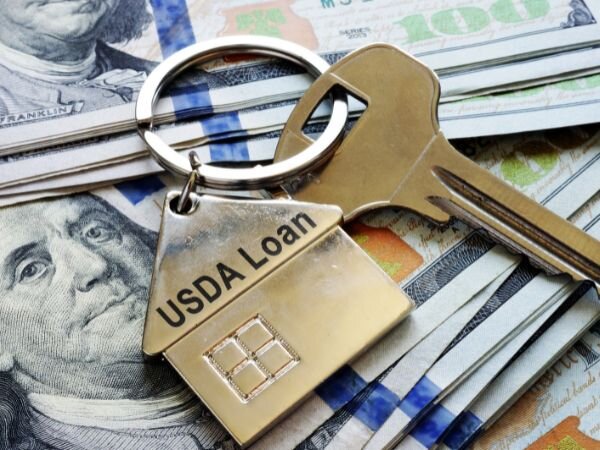
Sellers push back when a USDA buyer’s sale stalls over the appraisal. “Why is the lender requiring all these conditions? The house is fine.” The bar sits higher with a USDA loan than with a conventional one, and there’s a reason.
Any home under contract has to meet USDA appraisal requirements to qualify for a USDA-backed mortgage. The appraisal includes a site visit to document the home’s characteristics, plus market research to set its appraised value. Market value isn’t the whole test. The property also has to clear a livability standard, so a beat-up house can sink your loan even when the price is right. A few common problems can disqualify a home. Roof leaks or no remaining roof life, structural or foundation damage, dead utilities like plumbing, heating, or electrical. Then there’s pest damage, active infestation, and failed well water or septic issues.
An appraisal report can trigger other inspections too: roof inspections, septic inspections, mold inspections, and termite inspections. Any flag from the appraiser on those items stalls the loan until they’re resolved. Small stuff, the seller can fix before closing. Big stuff, like a cracked foundation or an environmental hazard, might block the USDA loan entirely. Better to know the property’s condition before you’re deep in.
USDA property eligibility maps matter here. A home has to sit in a designated rural area, which across North Carolina covers parts of the foothills, the coastal plain, and smaller towns throughout the Piedmont. Parts of Cleveland County, Alamance County, and Caldwell County often qualify. Verify your exact address against the USDA’s official eligibility map before you go under contract, because boundaries shift.
Who Orders and Who Pays for Each in North Carolina
In most USDA loan transactions, the lender orders the appraisal, not the buyer or seller. That keeps the appraiser independent and in line with USDA rules. The buyer usually pays the appraisal fee, while the lender coordinates scheduling with the appraisal management company. Appraisal fees get paid upfront, either at application or shortly after your loan is approved. This one’s non-refundable. Your loan can fall through, the appraisal can come in low, and you still don’t get that money back. It isn’t a small fee, either.
For the home inspection, the buyer pays when they order one after making an offer. A seller can pay for an inspection, too, if they run a pre-listing inspection before the home hits the market. Some sellers do. That’s on the seller’s dime by choice. In practice, the buyer almost always foots the bill during the due diligence period.
North Carolina runs residential transactions on a contract structure you won’t see in most other states. The standard Offer to Purchase and Contract (Form 2-T) covers the majority of residential sales here. It includes a due diligence period, the window where buyers get to investigate a property fully with only minimal risk of loss. The due diligence fee goes straight to the seller, generally when the contract is signed. Your inspection and appraisal both happen inside that window.
Working with Zack Buys Houses changes the math. Cash buyers skip the lender appraisal requirement, which removes one of the bigger friction points in a standard transaction.
What an Appraisal and a Home Inspection Cost in North Carolina
A seller in Hickory reached out a while back. She figured the appraisal and inspection would cost a few hundred dollars combined. Then came a termite inspection and a re-inspection after repairs (re-inspections are rarely free), and her buyer had spent over a thousand dollars before the loan even reached underwriting.
USDA appraisals run between $500 and $900, since the review adds checks for rural property considerations. That’s more than a conventional appraisal, because the USDA checklist goes further into things like well and septic condition. For luxury homes above $1 million, or properties with acreage or odd features, some specialized appraisals climb into four-figure territory.
Home inspections in North Carolina average $375 to $475 for a standard single-family home. Homes with crawl spaces, older mechanical systems, or coastal exposure push toward the top of that range. Budget closer to $475 if your property has any of those features. Smart money plans for the high end.
Add a termite inspection, a radon test, or a well water test, and your out-of-pocket costs for doing the right thing climb fast. None of these are optional if you want a complete read on what you’re buying. If you, as the borrower, order these inspections, they can be rolled into the cost of the loan when the purchase contract spells out that arrangement.
Local Property Issues North Carolina Buyers Should Watch For

Homes in North Carolina’s older mill towns and rural counties often hide issues that a quick walkthrough misses. Crawl spaces sit under houses all across the Piedmont and the western foothills, and moisture down there breeds wood rot, mold, and pest damage. An appraiser flags it but doesn’t fully diagnose it. Foundation defects like heaving or sinking can knock 10% to 20% off a home’s value.
Termite damage turns up constantly in this state. Older properties around Gastonia, Salisbury, and the greater Charlotte area all carry real risk for wood-destroying insects. A termite inspection usually runs separately from your general home inspection, and it’s worth ordering every single time. Wells and septic systems in rural counties draw extra scrutiny under a USDA loan. That scrutiny is warranted. A failing septic system somewhere without municipal sewer service is a serious repair, not a bargaining chip.
North Carolina is a buyer-beware state. Sellers won’t always volunteer every flaw. You have to do your own homework before you close. That’s not a technicality. It’s a practical warning: your inspection and appraisal results are your best protection.
How Appraisal and Inspection Results Can Change Your Loan or Contract
The median sale price in Charlotte sat at about $438,000 for the three months ending June 2026, up 3.0% from a year earlier. At that price, even a small gap between the appraised value and the purchase price becomes a real problem for a buyer with no cash reserves.
A USDA appraisal raises concerns for two main reasons. The home doesn’t appraise for the purchase price, or it doesn’t meet USDA minimum property standards. When the appraisal comes in low, you’ve got a few paths. You can renegotiate and ask the seller to drop the price to the appraised value, which is the most common fix. You can also challenge the appraisal with a reconsideration of value request through your loan officer if you think comparable sales were missed.
A rough inspection report doesn’t automatically kill the sale. It hands you leverage during your due diligence period. Ask the seller to make repairs, negotiate a price cut, or walk. A bad inspection lets you terminate and recover your earnest money, though the due diligence fee stays with the seller. That fee bought you exactly one thing: the right to walk without having to prove anything.
The inspection can also surface what the appraiser skipped, like an aging roof that still clears USDA standards but has a couple of years left in it. That’s a cost your real estate agent or a trusted local buyer in North Carolina like Zack Buys Houses would fold into any offer.
What to Do After You Receive Each Report
Reading an inspection report and then doing nothing is one of the most common mistakes I watch buyers make.
Once the inspection report lands, sort it with a prioritized eye for what’s a safety issue, what’s deferred maintenance, and what’s purely cosmetic. Safety items and structural concerns belong in a repair request or a price renegotiation. Cosmetic gripes usually aren’t worth the fight, especially in a market where sellers have choices.
When the appraisal report arrives, your lender reviews it first. Your loan rides on the lower of the appraised value or the purchase price, and required repairs usually have to be done before closing. If the appraisal calls for extra inspections, like a roof certification or a septic test, book them right away. Contractors fill up fast in the closing season. Every day you burn inside the due diligence period is a day gone.
Stay glued to your lender. Any conditions the appraiser lists go to underwriting, and underwriting won’t clear your loan until those conditions are handled. The appraisal has to be finished and reviewed before the loan moves forward. Any repairs the appraiser requires have to be addressed before closing.
How to Avoid Surprises Before Closing in North Carolina

Miss a repair condition from the appraisal report after the due diligence period closes, and you’re now on the hook to close, even if the seller won’t fix it. That spot is expensive and stressful, and it’s completely avoidable.
An owner in Statesville watched two agent listings expire with zero offers over about eight months. Both times, the home inspection during due diligence turned up a list of deferred maintenance that scared buyers off. The carport roof sagged. The HVAC was original to a late-1980s build. I’ve watched lenders kill sales over that alone. Each time the sale unwound, the owner ate the time cost and had to relist. Selling directly eventually made more sense than patching the house for a conventional buyer’s lender.
Schedule your inspection in the first few days after you go under contract, not the last few. North Carolina’s market has cooled into balance lately, which buys you a little breathing room, but your due diligence period is still finite, and every delayed call compounds.
If a property carries known issues and the traditional sale path feels shaky, Zack Buys Houses buys homes as-is across North Carolina. No lender appraisal, no inspection contingency, no repair negotiations. North Carolina’s housing market has moved toward balance, with statewide supply at 5.86 months in the June 2026 NC REALTORS report. Buyers today have more options and less patience for condition problems that stall a sale.
Do your homework early. Order the inspection up front, read the appraisal closely, and don’t let surprises stack up near the closing date.
Frequently Asked Questions
How Much Does a Home Appraisal Typically Cost in North Carolina?
A standard appraisal runs between $300 and $500 across most of North Carolina. Government-backed loans like USDA typically run $500 to $900, because they add condition checks and rural property requirements. Luxury homes or properties with unusual features cost more. Your exact fee follows the property’s size, location, and local appraiser demand, so rural areas can cost more when appraisers are scarce.
Who Is Responsible for Paying the Appraisal Fee?
The buyer pays the home appraisal fee, and it lands in the buyer’s closing costs in North Carolina. A seller pays only when they order an appraisal before listing. The fee is typically non-refundable, so if your loan falls through after the appraisal is done, you won’t recover that cost.
Is Due Diligence Money and Earnest Money Mandatory in North Carolina?
Neither due diligence money nor earnest money is mandatory in North Carolina, though most contracts negotiate both in. A buyer can offer a due diligence fee of zero. In a competitive Charlotte market, an offer with no due diligence fee reads as unserious and rarely gets accepted. Both amounts are negotiable and shift with the property’s price and local conditions.
How Much Should a Home Inspection in NC Cost?
Most buyers pay between $375 and $475 for a standard home inspection in North Carolina. Larger homes, homes with crawl spaces, or older properties with complex systems land toward the top of that range. Specialty inspections like termite, radon, or septic tests cost extra, on top of your general inspection fee.
Talk It Through With a Local Buyer
Trying to figure out whether a traditional sale or a direct sale fits your situation better? We’re happy to talk it through. No pressure, no obligation. Reach out to Zack Buys Houses and get a straight answer from someone who knows North Carolina real estate.
Helpful North Carolina Blog Articles