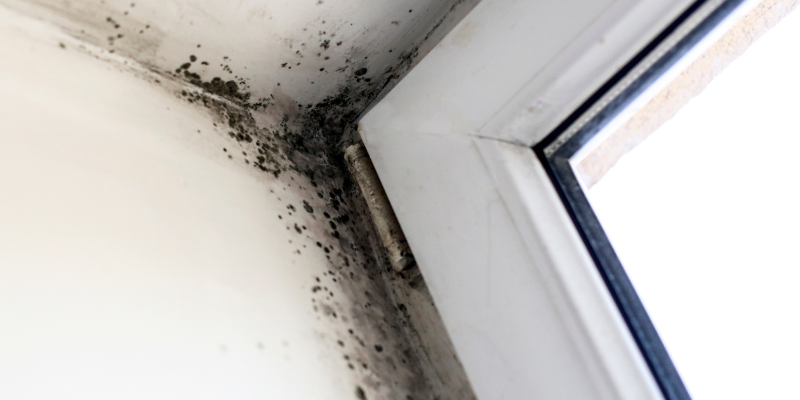
You’re staring at that dark patch on your basement wall. Again.
It’s been nearly two years since Hurricane Helene swept through Western North Carolina, and what started as a small water stain has turned into something much worse. The musty smell hits you every time you walk downstairs, and your eight-year-old’s cough isn’t getting better.
You need to sell. Fast.
But here’s what most homeowners don’t realize: approximately 1 in 5 homes in North Carolina has reported mold-related issues. You’re not alone in this mess, and more importantly, you’re not stuck with it.
I’ve been buying houses across the Tar Heel State for over fifteen years. From the humid coastal plains around Wilmington to the mountain valleys of Asheville, I’ve seen every type of mold situation imaginable. The good news? Home prices in North Carolina were down 0.41% year over year in August 2026, with a median sale price of $373,465, and there are buyers out there who understand that mold doesn’t have to be a deal-killer. Before you spend a dollar on remediation or sign anything with an agent, here’s what you need to know about your options.
How to Sell a House with Mold in North Carolina
Market conditions are actually working in your favor right now. Statewide, homes are taking about 66 days to sell, up from 57 a year ago. Buyers are still actively looking, even for properties that need work.
The key is understanding your options before making any expensive mistakes. Too many homeowners rush into costly remediation without exploring alternatives that could save them tens of thousands of dollars.
Your three main paths forward:
- Remediate first, then list traditionally. This works if you have deep pockets and time to spare.
- Sell as-is with full disclosure. This requires finding the right buyer who understands renovation projects.
- Sell directly to a cash buyer. Often the fastest and most cost-effective solution.
Each approach has its place. The right choice depends on your timeline, budget, and risk tolerance. Most homeowners who pursue full remediation before listing end up spending more than they recover at closing, but that’s not always the case. The math depends on your specific situation.
Homes in Raleigh sell in a median of 39 days, well ahead of the statewide figure. But that speed works against you when you’re dealing with disclosure requirements and buyer financing contingencies.
Why North Carolina Homes Are Prone to Mold Problems
Living in North Carolina means living with humidity. The state’s excessive moisture and frequent rainfall create ideal conditions for mold growth, and hurricanes compound the problem significantly.
The Triangle area typically has an average humidity of around 70% during the summer months. Charlotte isn’t much better. Coastal regions deal with salt air and storm surge year-round.
The most problematic areas:
- Coastal Plain: High humidity year-round, frequent tropical weather
- Piedmont Region: Clay soil that doesn’t drain well, creating basement moisture issues
- Mountain Counties: Temperature swings that cause condensation problems
- Urban Heat Islands: Cities like Charlotte and Greensboro trap moisture
The most common mold types found in North Carolina homes are Aspergillus, Cladosporium, and Stachybotrys (black mold). Each presents different health risks and remediation challenges, but all share one thing in common: they complicate traditional sales. One regional attorney reported a 35% increase in mold-related legal cases following recent storm seasons, largely due to delayed repairs.
How Hurricane and Flood Damage Causes Mold in North Carolina Homes
Hurricane Florence. Hurricane Dorian. Hurricane Helene. Each storm left thousands of North Carolina homes dealing with water damage and subsequent mold growth.
Even if you had professional water extraction after a weather event and thought everything was handled, mold can develop weeks or months later in areas that weren’t properly dried. The practical implication for sellers is this: if your home was affected by any major storm in the past five years, assume there are areas that haven’t been fully assessed and factor that into your selling strategy before buyers discover it during inspection.
Post-hurricane mold patterns that appear most often:
- Wall cavities: Behind drywall where the insulation stayed wet
- Subfloor areas: Especially around kitchens and bathrooms
- Attic spaces: From roof damage that allowed water intrusion
- HVAC systems: Ducts contaminated during flooding
If any of these areas apply to your property, get eyes on them before listing. A surprise finding during a buyer’s inspection gives them all the negotiating leverage. A known issue that you’ve documented and priced into your asking price gives it back to you. Storm damage is the reason a steady share of our calls come from owners hunting for cash home buyers in Asheville and the surrounding mountain counties.
Mold Inspection and Testing Before Selling Your North Carolina Home
Here’s where many homeowners make their first expensive mistake: hiring a mold inspector before they’ve settled on a selling strategy.
Professional mold testing in North Carolina runs $300 to $800 for a typical single-family home. Inspectors take air and surface samples and deliver a detailed report showing mold types and concentration levels.
Sounds helpful, and sometimes it is. But here’s the problem: once you have that report, you’re legally obligated to disclose those findings to any potential buyer. In North Carolina, you can’t “unknow” what a report tells you.
When professional testing makes sense:
- You’re planning to remediate and list traditionally.
- You need documentation for insurance claims.
- You’re working with buyers who require specific testing protocols.
- You suspect dangerous mold types that could affect liability
When testing may hurt more than help:
- You’re selling as-is regardless of findings.
- The mold is visually obvious, and testing won’t change buyer perception.
- You’re working with cash buyers who understand renovation projects.
- You’re on a tight timeline and budget.
A real example: one homeowner spent $500 on testing, received a report confirming elevated Stachybotrys levels, and watched every traditional buyer walk away, even though actual remediation costs were only $3,000. The report created a bigger problem than the mold itself. Make sure you understand how you’ll use the results before you order them.
Mold Remediation Costs in North Carolina: DIY vs. Professional
Professional mold remediation in North Carolina typically costs:
- Small areas (under 10 sq ft): $500 to $1,500
- Medium areas (10 to 100 sq ft): $1,500 to $5,000
- Large areas (100+ sq ft): $5,000 to $25,000+
- Whole-house remediation: $15,000 to $50,000+
Here’s the harsh truth: remediation industry estimates put the resale value drop somewhere between 20 and 37% for both minor and major mold problems. Even after professional remediation, many buyers remain skeptical. The stigma doesn’t always disappear with the mold.
Consider the math: a $300,000 home in Cary with moderate mold issues requires $8,000 in remediation, but buyers may still discount the home 10 to 15% due to mold history. You’ve spent $8,000 and potentially lost $30,000 to $45,000 in perceived value.
When DIY is Appropriate
- Surface mold on non-porous materials
- Areas smaller than 10 square feet
- You’re keeping the property, not selling it.
- You have experience with proper safety protocols.
When You Need Professionals
- Black mold (Stachybotrys) is present.
- Mold has reached the HVAC system.
- Affected area exceeds 10 square feet
- Structural damage is involved.
- Anyone in the home has respiratory issues.
The EPA is clear about the 10-square-foot threshold, but that number is cleanup guidance for choosing between doing the work yourself and hiring a contractor. It is not a disclosure rule. North Carolina sets no size cutoff at all. On the Residential Property Disclosure Statement you either answer honestly or mark “No Representation”, and that holds whether the patch is two square feet or twenty.
Cost-Cutting Strategies by Region
If you decide remediation is the right path, there are ways to minimize costs without cutting corners on safety:
- Get at least three quotes, as prices vary widely between contractors.
- Handle prep work yourself, since moving furniture and belongings can save hundreds
- Bundle with other repairs if HVAC or plumbing work is already needed
- Consider partial remediation, focusing on areas buyers will actually see
- Time it strategically, as some companies offer discounts during slower seasons
Regional cost variations across North Carolina:
- Charlotte Metro: Highest costs due to demand and contractor regulations
- Triangle Area: Moderate costs, good competition between contractors
- Coastal Areas: Higher costs due to recurring moisture
- Rural Counties: Lower labor costs, but fewer qualified contractors
The goal isn’t to create a mold-free environment, which is essentially impossible in this climate. The goal is to create a sellable property that doesn’t scare away qualified buyers. Piedmont sellers can see what a no-repair sale looks like on the page where we buy houses in Greensboro, North Carolina.
Does Homeowners Insurance Cover Mold Damage in North Carolina?
Most standard homeowners’ policies in North Carolina specifically exclude mold damage unless it results from a covered peril, like a burst pipe or storm damage. Even then, coverage is often limited.
Typically covered:
- Mold resulting from sudden water damage
- Storm-related water intrusion if claims are filed promptly
- Limited remediation costs (often capped at $5,000 to $10,000)
Typically not covered:
- Mold from ongoing moisture issues
- Gradual leaks that developed over time
- Flood-related mold, which requires separate flood insurance
- Maintenance-related moisture problems
A cautionary example: a Winston-Salem homeowner discovered mold after a toilet supply line failed. The water damage was clearly covered, but the insurance company argued that mold developed because the area wasn’t dried within 72 hours. The claim was denied. Now the homeowner had to disclose both the mold and the insurance denial to potential buyers, a double disclosure that scared away more buyers than the original mold problem would have.
Weigh the claim against the record it creates. A denied claim becomes one more thing a buyer can ask about, so for a small, cheap fix, paying out of pocket is often the simpler route. That is a decision about insurance, not about disclosure, and it does not change what you have to answer honestly on the form.
North Carolina Mold Disclosure Laws Every Home Seller Must Know
North Carolina works differently from most states here. Under NCGS 47E-4 the Residential Property Disclosure Statement lets you answer “No Representation” to any question. An owner who does that has no duty to disclose the condition, whether or not they should have known about it. What you cannot do is answer a question falsely. Check “No” on water intrusion while mold spreads in the basement and the protection is gone.
When Disclosure is Required
- There is visible mold growth.
- A professional test has confirmed mold
- Previous remediation work was performed.
- Insurance claims related to mold or water damage exist
- A musty odor suggests hidden mold.
The disclosure form doesn’t have a dedicated mold checkbox, but it does ask about water intrusion, moisture, drainage, plumbing issues, and roof leaks, all conditions that trigger disclosure obligations.
Legal Risks of Non-Disclosure
- Breach of contract claims
- Fraud if material facts were deliberately concealed
- Monetary damages including repair costs and value loss
- Attorney’s fees
Avoid vague language like “no known mold issues” when you have suspicions but no documentation. Specific, accurate disclosure, such as “mold growth discovered in basement storage room, March 2026, professionally remediated by ABC Company, documentation available,” protects you legally and signals good faith to buyers.
Beyond the legal exposure, the health stakes are real. Excessive exposure to airborne mold spores can trigger allergic illness, worsen asthma, cause respiratory infections, and, in some cases, produce toxic effects. Sellers can be held liable for health issues that develop after closing if known mold problems weren’t disclosed. High-risk scenarios include undisclosed black mold, buyers with children or elderly family members who develop respiratory issues, hidden mold in HVAC systems, and previous health complaints from your own household that were never mentioned.
How to Protect Yourself from Liability
- Full disclosure of all known mold issues
- Professional documentation of any remediation work
- Air quality testing results, if available
- Clear communication about ongoing moisture concerns
- Written buyer acknowledgment of mold-related risks
One Durham case illustrates the stakes: buyers discovered extensive mold in the HVAC system six months after closing. Their toddler developed persistent respiratory issues, and they sued the sellers for non-disclosure. The sellers had noticed “some musty smells” but never investigated. The case settled for $85,000 plus attorney’s fees, far more than proper disclosure and remediation would have cost upfront.
How to Choose a Real Estate Agent to Sell a Mold-Affected Home
Not all real estate agents are equipped for mold-affected listings. You need someone who understands disclosure law, knows how to market challenging properties, and won’t panic when inspection issues arise.
What to look for:

- Experience with mold-related sales in your specific area
- Solid understanding of North Carolina disclosure requirements
- Network of qualified contractors for pre-listing estimates
- Realistic pricing strategy that accounts for mold impact
Red flags:
- Suggests minimizing or omitting mold disclosure
- Promises unrealistic sale prices without reviewing documentation
- Unfamiliar with state disclosure laws
Questions worth asking:
- How many mold-affected properties have you sold in the past year?
- What’s your marketing strategy for properties with disclosure issues?
- How do you handle buyer concerns during negotiations?
- How do you price properties with known mold problems?
One honest reality most agents won’t volunteer: mold listings require more work, carry more liability risk, and typically result in lower commissions due to reduced sale prices. Make sure your agent’s incentives align with your interests, not the path of least resistance. If the traditional route feels like more friction than it’s worth, working directly with a company that buys houses in North Carolina is worth exploring as an alternative.
How to Market and Price a House with Mold in North Carolina
Marketing a mold-affected property requires balancing honesty with effective salesmanship. You need to disclose the issues without making them the entire story.
Effective framing:
- Instead of “house has mold issues in the basement,” try “seller is providing a $5,000 credit for basement improvements.”
- Instead of “previous water damage and mold remediation,” try “recent moisture control upgrades completed.”
- Instead of “buyer to verify all mold remediation,” try “property sold as-is, inspection welcome.”
When it comes to what you emphasize, lead with the property’s strengths that outweigh the mold concerns, the location benefits that justify a renovation investment, the potential value once known issues are addressed, and your flexibility as a motivated seller willing to negotiate.
Photography strategy:
- Focus on well-lit, clean areas
- Highlight outdoor spaces and curb appeal
- Show potential rather than current problems
- Include before/after shots if remediation was completed
Consider targeted showings rather than open houses. Mold odors are more noticeable when multiple people move through at once, and you want to control the narrative around any disclosed issues.
What Happens When a Home Inspector Finds Mold During a Sale
Even with full disclosure, buyers typically include inspection contingencies that create multiple opportunities to renegotiate or walk away. With mold involved, these contingencies become almost guaranteed negotiation points.
Common inspection issues:
- Scope creep: Inspectors find problems beyond disclosed mold
- Buyer panic: Inspection reports often sound scarier than reality warrants.
- Lender requirements: Some loan programs won’t fund properties with mold.
- Timeline delays: Additional testing and estimates extend closing dates
Protecting yourself:
- Provide all documentation upfront to minimize surprises
- Have contractor estimates ready before negotiations begin
- Set realistic expectations about what inspectors might find
- Consider carrying multiple backup offers
A Greensboro example: sellers disclosed basement mold that had been professionally remediated. The buyer’s inspector found additional moisture issues in the crawl space. Buyers demanded a $15,000 credit for encapsulation. Sellers refused. The buyer walked. The property sat for another 60 days and ultimately sold for $12,000 less than the original contract price. Accepting the initial credit would have been the better outcome. We walk through the rest of that path in our guide on whether you can sell a house that failed inspection in North Carolina.
How to Negotiate Mold Repairs and Credits with North Carolina Buyers
Buyers will almost always request repairs or credits when purchasing a mold-affected home. Understanding how to negotiate these requests effectively can be the difference between a closed deal and a collapsed one. Common requests include professional remediation of all visible mold, air quality testing before and after remediation, repair of moisture sources such as roof leaks or plumbing issues, and cash credits to handle work after closing.
Credits vs. Repairs: The Tradeoff
Credits allow a faster close and give buyers contractor choice, reducing your liability for workmanship quality. Doing repairs yourself gives you control over quality and scope and can support a higher sale price, but it also makes you responsible for the results.
Negotiating by Buyer Type
- First-time buyers: Mold frightens them, but credits work. Educate them on remediation costs and confirm credit amounts are lender-approved.
- Investor buyers: They want cash credits and focus on the total acquisition cost, not emotional reactions.
- Move-up buyers: They prefer work completed before closing and will pay fair prices for properly addressed issues.
A straightforward example: buyer offers $350K on a $375K listing with a $10K mold credit request. Seller counters at $365K with a $5K credit. Actual remediation costs $6K, per the contractor’s estimate. Both parties see a fair compromise and close it.
Selling a Mold-Damaged House As-Is to Cash Buyers in North Carolina
Sometimes the smartest move is accepting you’re not going to fix the mold problem, and that’s a legitimate strategy, not a failure.

When “as-is” sales make sense
- Remediation costs would exceed what you’d recover at closing.
- You’re working against a hard deadline, such as relocation, divorce, or financial pressure.
- You own a rental property and understand the numbers.
- You want a certain outcome more than a maximum one.
As-is sales come with real advantages. You avoid upfront repair costs, contractor delays, and inspection arguments, and you get a clean and predictable closing with reduced post-sale liability for repair quality.
Who’s Buying and What They Want
The market for mold-affected homes among cash buyers is more active than most homeowners expect. These buyers understand that mold is a solvable problem and see value where traditional buyers see obstacles. If you’re in the Charlotte area specifically, cash home buyers in Charlotte, NC, are particularly active in the mold-affected property market and can often move faster than buyers in other parts of the state.
Active buyer types include local investors focused on rentals and flips with realistic renovation cost expectations, out-of-state investors purchasing in North Carolina’s growth markets based on photos and reports, house flippers who move quickly on properties priced appropriately, and contractors who can handle remediation themselves at a fraction of retail cost.
What cash buyers want most is fair pricing based on actual condition, full disclosure of known problems, flexibility on closing timing, and sound structure even if the finish is rough. Be cautious of buyers who pressure you to close without due diligence, present extremely low offers with no supporting justification, or are reluctant to provide proof of funds.
Expect to price 15 to 30% below comparable sales, though that gap narrows in competitive markets. Lead with the property’s strengths, provide contractor estimates upfront, and target investors rather than casting a wide net. The cash buyer market is particularly active in Charlotte, Raleigh, and Asheville, with strong investor communities in Wilmington, Greenville, and Winston-Salem.
One important reminder: “as-is” protects you from repair demands after closing, but it does not protect you from failure to disclose known mold issues. Full transparency is still legally required regardless of sale terms. That holds for every as-is sale, which is why our guide to how to sell a house as-is in North Carolina spends time on disclosure.
How Long Does It Take to Sell a House with Mold in North Carolina
Realistic timelines help you make better decisions about remediation, pricing, and selling strategy.
Timeline by Selling Method
Traditional listing with remediation: 4 to 8 months total
- Pre-listing prep (inspections, remediation, agent selection): 2 to 6 weeks
- Active marketing and inspection negotiations: 30 to 90 days
- Closing process: 30 to 45 days
As-is traditional listing: 2 to 5 months
Direct cash sale: 3 to 6 weeks
- Property evaluation and offer: 3 to 7 days
- Contract negotiation: 3 to 10 days
- Closing preparation and fund transfer: 10 to 20 days
Auction: 6 to 10 weeks
Wholesale: 2 to 4 weeks
Seasonal Considerations
- Spring: Highest buyer activity and competition, but also the highest inspection scrutiny
- Summer: Humidity makes mold odors more noticeable, which works in cash buyers’ favor for pricing leverage.
- Fall: Motivated buyers trying to close before winter, with fewer competing listings
- Winter: Lower overall activity, but serious buyers predominate, making it favorable for investor-focused sales
Properties with severe mold issues or unrealistic price expectations will trend toward the longer end of these ranges regardless of method.
Frequently Asked Questions About Selling a Moldy House in North Carolina
Do You Have to Disclose Mold When Selling a House in NC?
Not exactly. NCGS 47E-4 lets you mark “No Representation” instead of answering, and that removes the duty to disclose the condition. Answering falsely is the trap. A false answer on water intrusion, moisture or roof leaks can bring legal liability, breach of contract claims and lawsuits from buyers.
What is the Carolina Protocol for Mold?
North Carolina doesn’t have a specific state-mandated mold protocol, but professional remediation generally follows EPA guidelines and IICRC standards. The typical process includes moisture source identification, containment, removal of contaminated materials, air filtration during work, and post-remediation testing.
What Are the Mold Laws in North Carolina?
There are no specific mold statutes, but existing property disclosure laws apply. Sellers must disclose known environmental hazards on the Residential Property Disclosure Statement. There are no state licensing requirements for mold inspectors or remediators, so verify certifications independently.
Will Mold Kill My Sale Price Entirely?
Not necessarily. Industry estimates put the reduction at 20 to 37% depending on severity, but proper disclosure and realistic pricing can significantly narrow that gap. Buyers who understand renovation costs, particularly investors and cash buyers, often price mold issues more reasonably than worst-case estimates suggest. The sellers who fare worst are those who try to hide the problem and lose buyer trust entirely during inspection.
How Do I Know Whether to Remediate or Sell As-Is?
Run the numbers before committing either way. Get two or three contractor estimates for remediation, then ask a local investor or cash buyer what they would pay for the property in its current condition. If the gap between those two outcomes is smaller than the remediation cost, selling as-is is likely the better financial decision.
After fifteen years of buying houses across this state, one thing stays consistent: the homeowners who come out ahead are the ones who understand their options before they commit to anything. Mold is a real problem, but it’s a solvable one, and the path forward looks different depending on your timeline, your budget, and how much uncertainty you’re willing to carry.
Zack Buys Houses has been working with North Carolina homeowners in exactly these situations for over fifteen years, offering fair cash offers on properties in any condition. If you want a straightforward conversation about what your house is worth and what your options actually look like, contact us. No pressure, no obligation.
Helpful North Carolina Blog Articles
- How To Successfully Sell A House With Tenants In North Carolina
- Appraisal Repairs in NC: How They Impact Your Home Sale
- Documents Required to Sell a House in North Carolina
- Closing Costs Without a Realtor in North Carolina
- Filing A Quitclaim Deed For Real Estate In North Carolina
- Selling Your North Carolina Home Without A Real Estate Agent
- Who Pays the HOA Fees at Closing in North Carolina
- How to Sell a Condemned House in North Carolina
- How to Sell a House As-Is in North Carolina
- Does a Seller Pay Closing Costs in North Carolina
- Can You Sell a House That Failed Inspection in North Carolina
- Can I Sell My House if It is in Foreclosure in North Carolina
- Sell Fire-Damaged House Fast In North Carolina For Cash
- Sell House With Mold in North Carolina Without Costly Repairs
- Do All Heirs Have To Agree To Sell Inherited Property In North Carolina
- Can One Owner in North Carolina Sell a Jointly Owned House?